National Law University, Jodhpur, Organises Third LAAC–NLUJ Stakeholders’ Summit on Strengthening Clinical Legal Education and Access to Justice
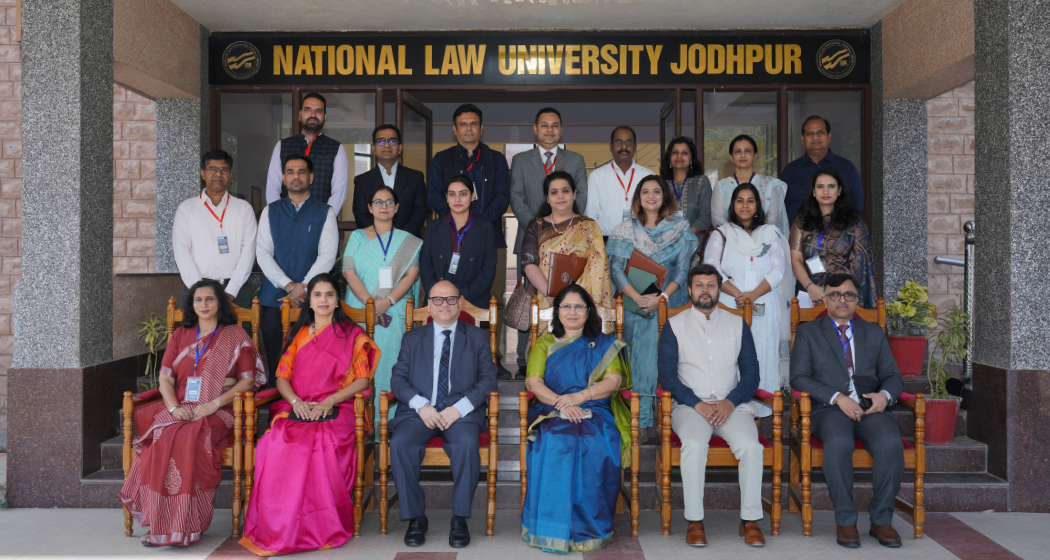
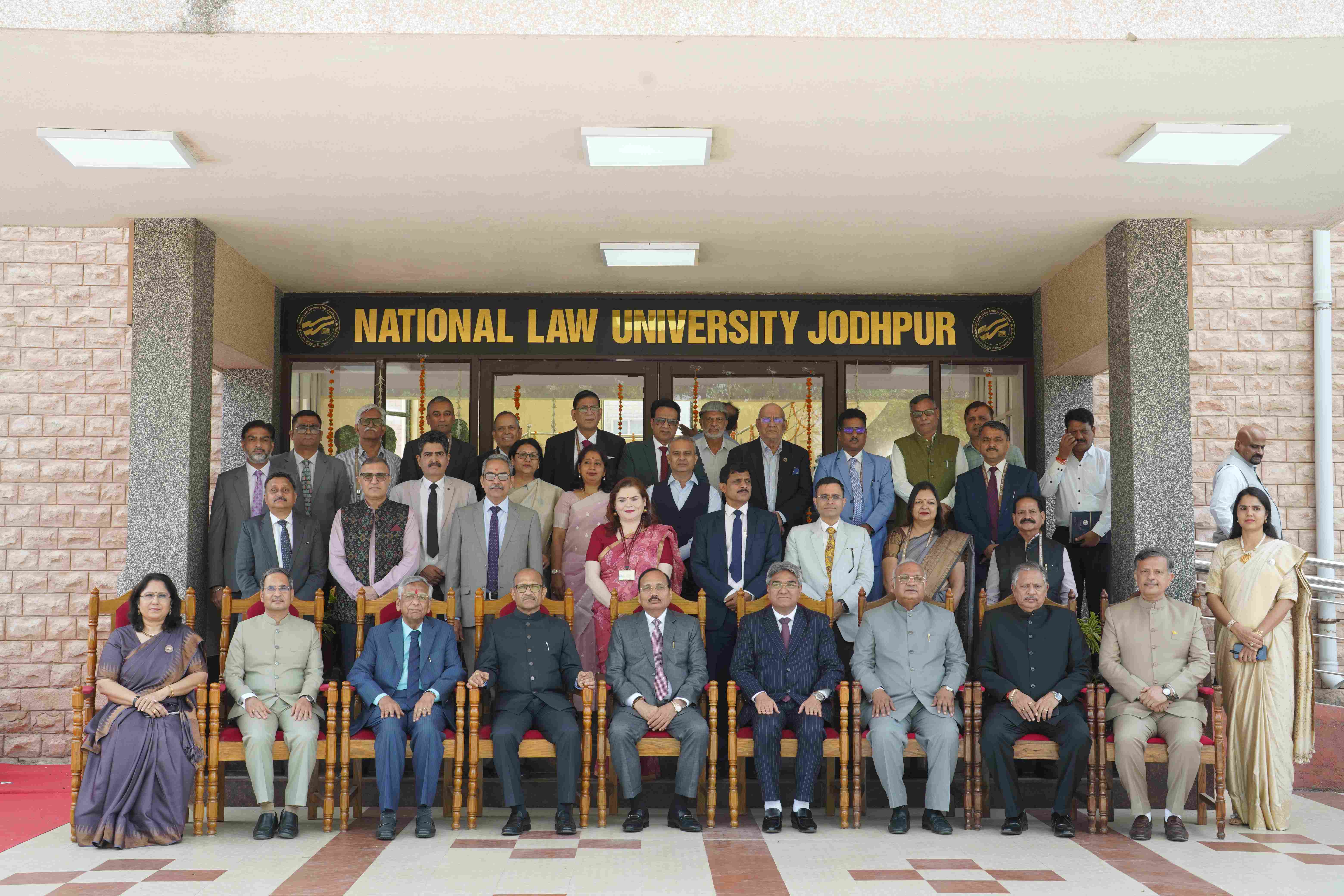
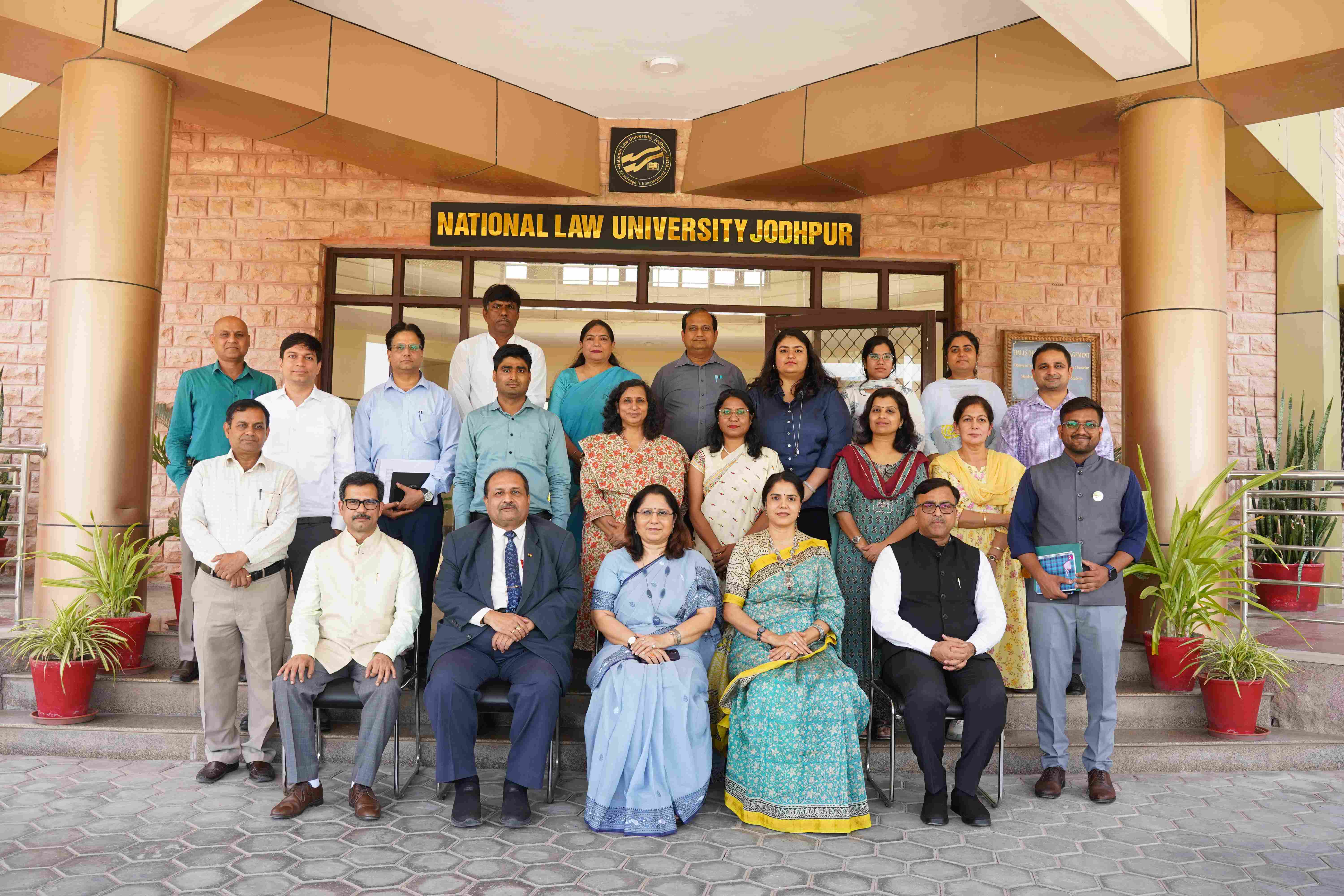
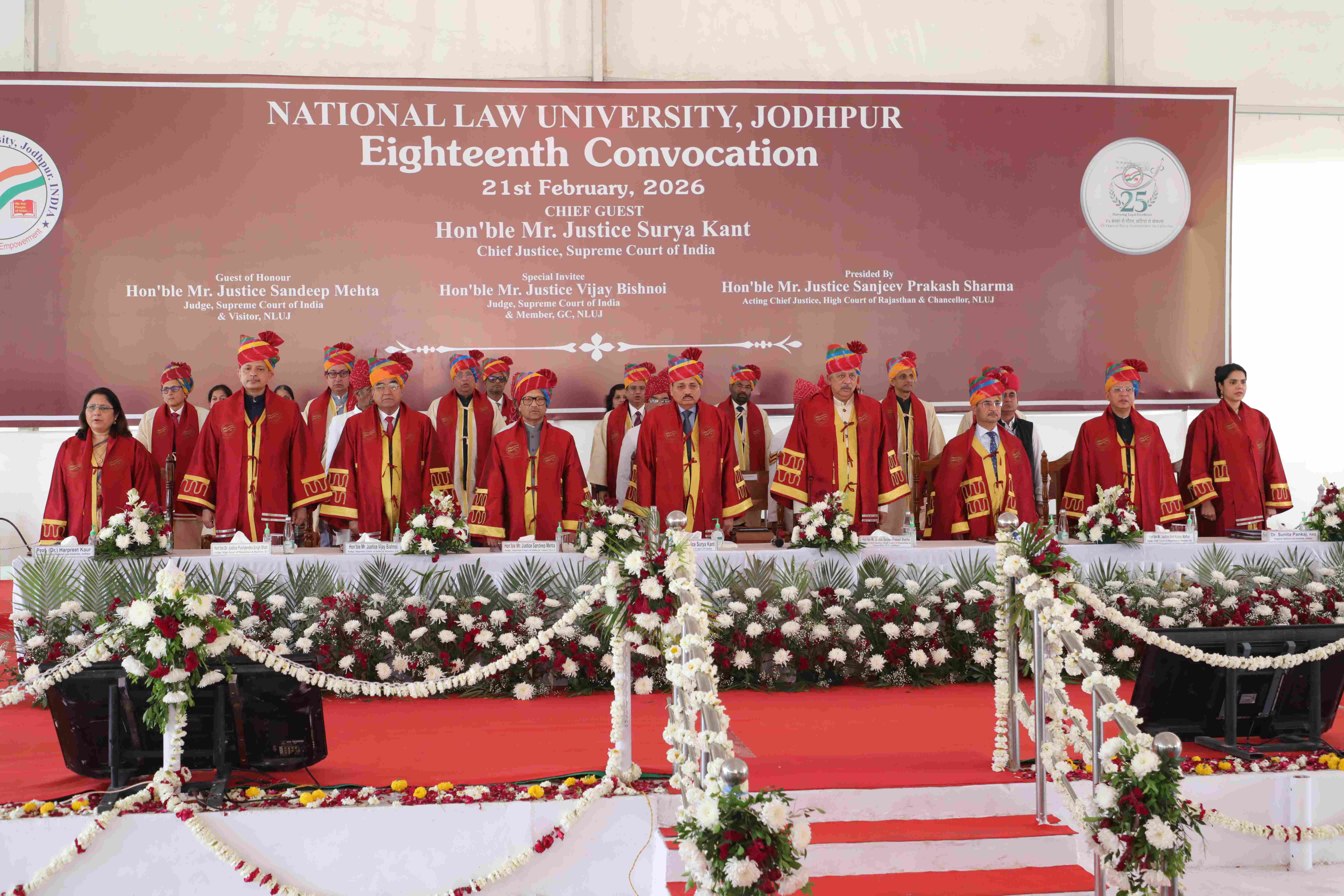
Jodhpur, 13 October 2026: National Law University, Jodhpur (NLUJ), through its Legal Aid and Awareness Committee (LAAC), organised the Third LAAC–NLUJ Stakeholders’ Summit on “Strengthening Clinical Legal Education through Legal Aid Cells: Advancing Access to Justice” on 10–11 October 2026. Held as part of LAAC’s decennial year celebrations, the Summit was conducted under the guidance of Hon’ble Vice-Chancellor Prof. (Dr.) Harpreet Kaur and Registrar Dr. Sunita Pankaj, RAS.
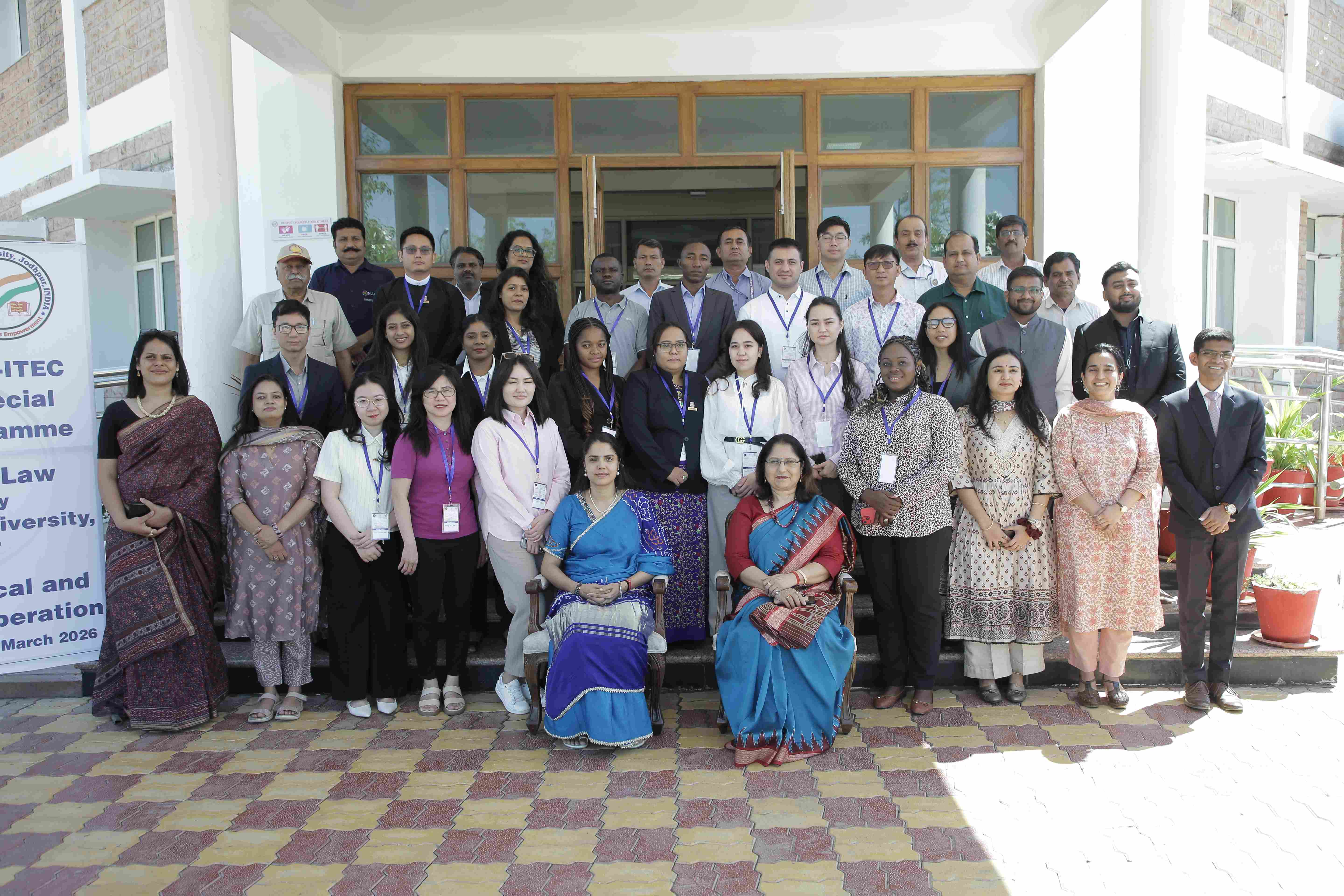
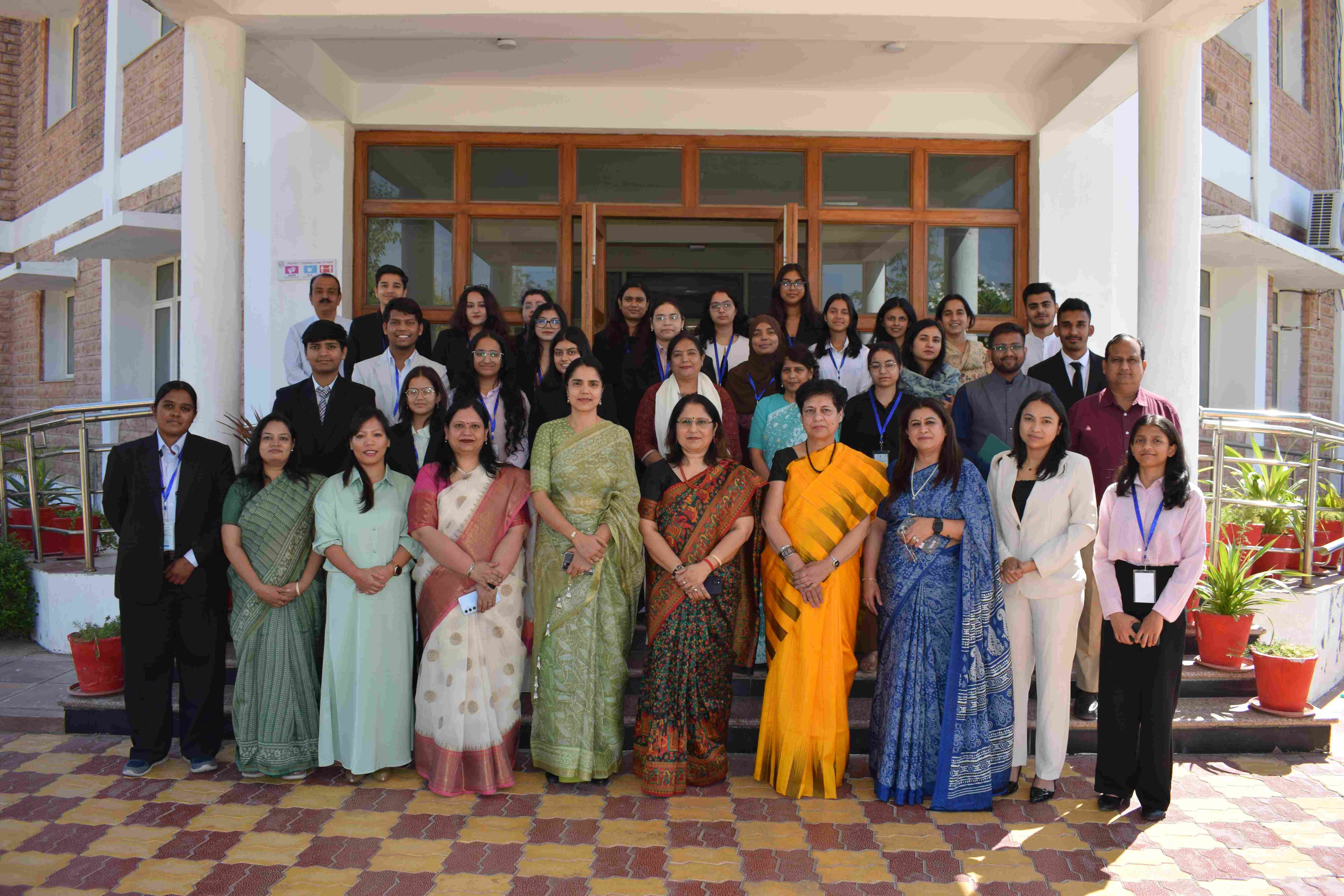
The Summit brought together legal aid practitioners, academicians, civil society organisations, faculty members, and students from across the country to deliberate on the role of clinical legal education in strengthening legal aid institutions and advancing access to justice. It provided a platform to exchange experiences, examine challenges faced by legal aid clinics, and explore practical approaches to making legal education more responsive to community needs.
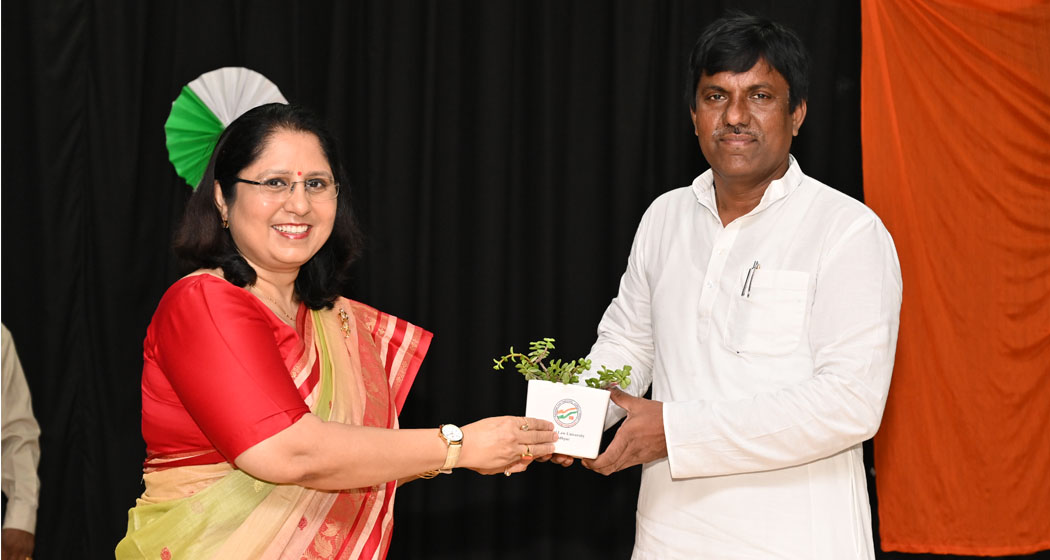
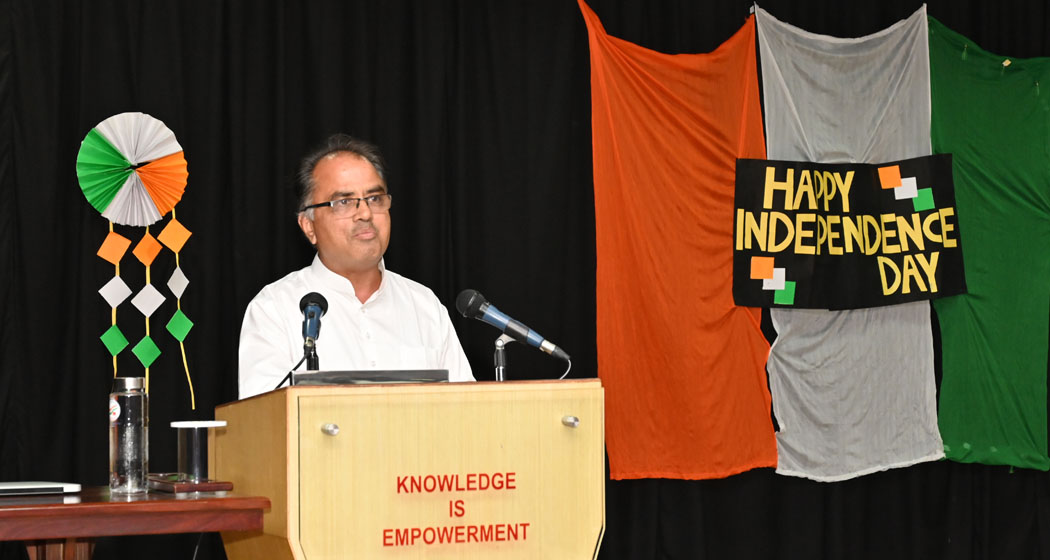
The inaugural session was graced by Shri Hari Om Sharma Attri, Principal District and Sessions Judge, Hanumangarh, and Member Secretary, Rajasthan State Legal Services Authority (RALSA), as the Chief Guest, along with Shri M. P. Beniwal, Additional District and Sessions Judge, Jaipur Metropolitan-II. The session was attended by Dr. Manoj K. Singh, Dean of Academics; Dr. Anjali Thanvi, Chairperson, LAAC; and Dr. Siddharth Balani, Faculty Advisor, LAAC, along with faculty members, distinguished guests, and students.
The two-day programme featured capacity-building sessions on child-friendly legal aid, a panel discussion on “Juvenile Justice and Trends in Legal Aid,” presentations of empirical reports by participating universities, workshops on legal aid, and a panel discussion on “Clinical Legal Education.” These sessions facilitated discussions on strengthening the institutional capacity of legal aid clinics, promoting experiential learning, and developing effective responses to barriers in accessing justice. The Summit concluded with a closing ceremony and award distribution.
Experts and representatives from leading organisations contributed to the deliberations, including Ashutosh Srivastava from UNICEF; Disha Chaudhari and Disha Devdas from the Margins to Access Project (MAP); Farhan Zia and Khyati Ahuja from the Centre for Social Justice (CSJ); Sarab Lamba from the India Justice Report (IJR); Shreya Tripathy from Nyaaya; Avaantika Chawla from Jindal Global Law School; and Gatha G. N. from Awaaz Leadership Labs. Their contributions enriched discussions on legal aid delivery, child-friendly justice, community engagement, and innovative approaches to clinical legal education.
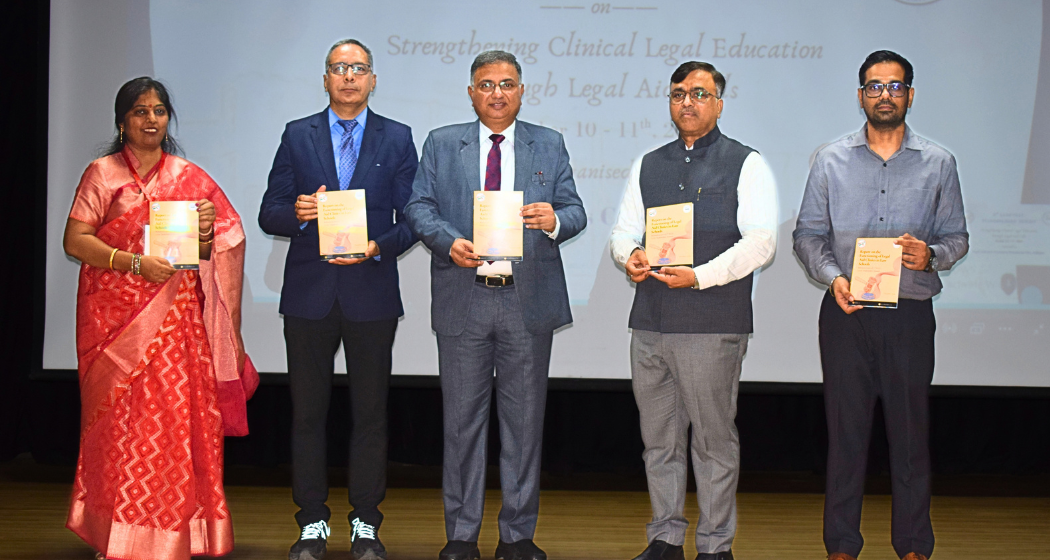
A key highlight of the Summit was the launch of the Report on the Functioning of Legal Aid Clinics in Law Schools. Drawing on data collected from 30 law schools, the report examines the functioning of legal aid clinics, identifies institutional challenges and opportunities, and documents practices that can strengthen clinical legal education. The findings were discussed with participating stakeholders to encourage evidence-based dialogue and support improvements in the delivery and impact of legal aid services.
The Summit also witnessed the launch of the Jodhpur Declaration on Clinical Legal Education, through which stakeholders articulated their collective commitment to strengthening legal aid clinics, promoting experiential legal education, and advancing access to justice.
Another significant component was the National Legal Aid Innovation Competition 2026, which brought together over 75 law students and their faculty coordinators from across the country. The competition encourages students to identify gaps in access to justice, undertake empirical field research, engage with communities, and develop practical, innovative, and context-specific interventions to address legal and justice-related challenges.