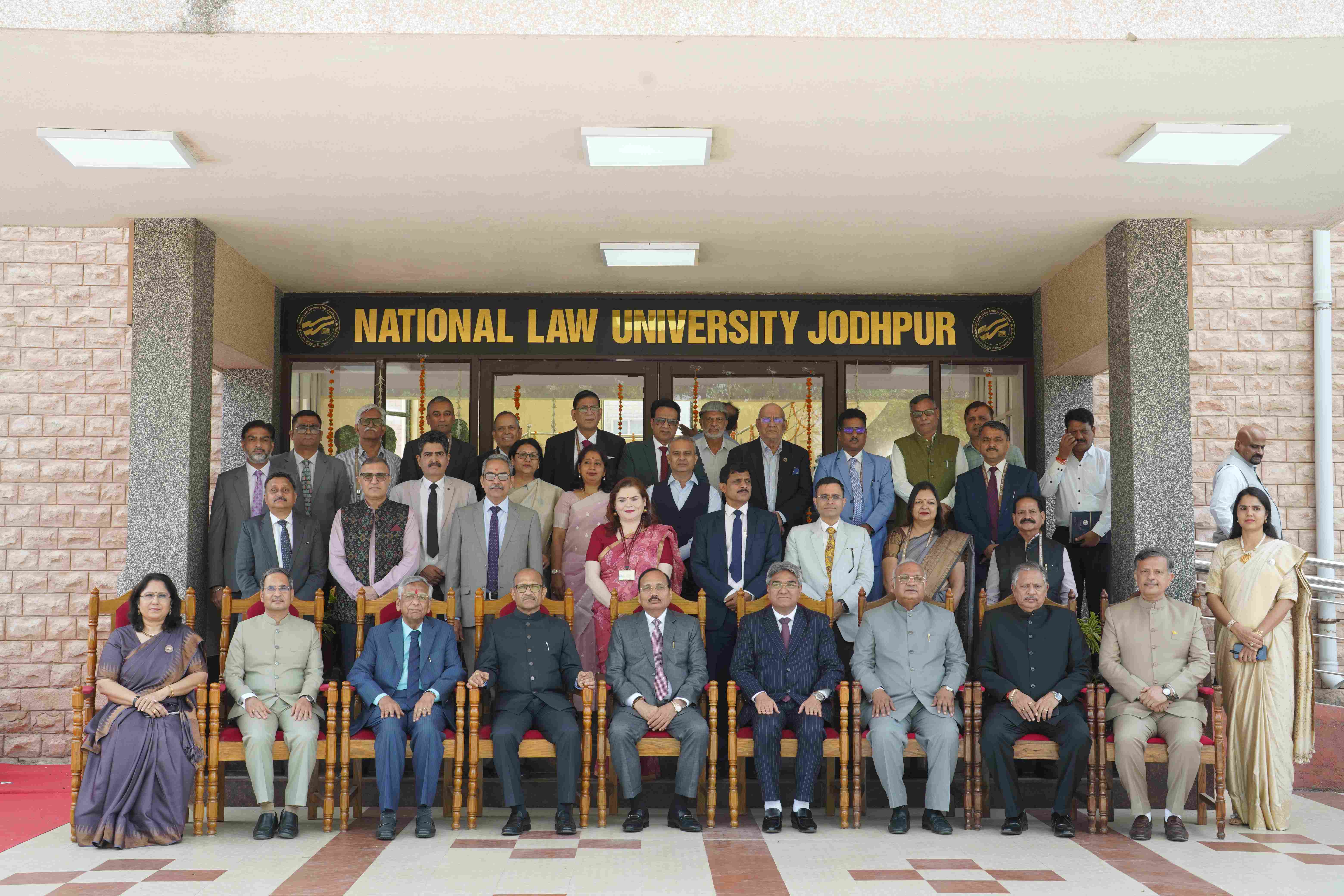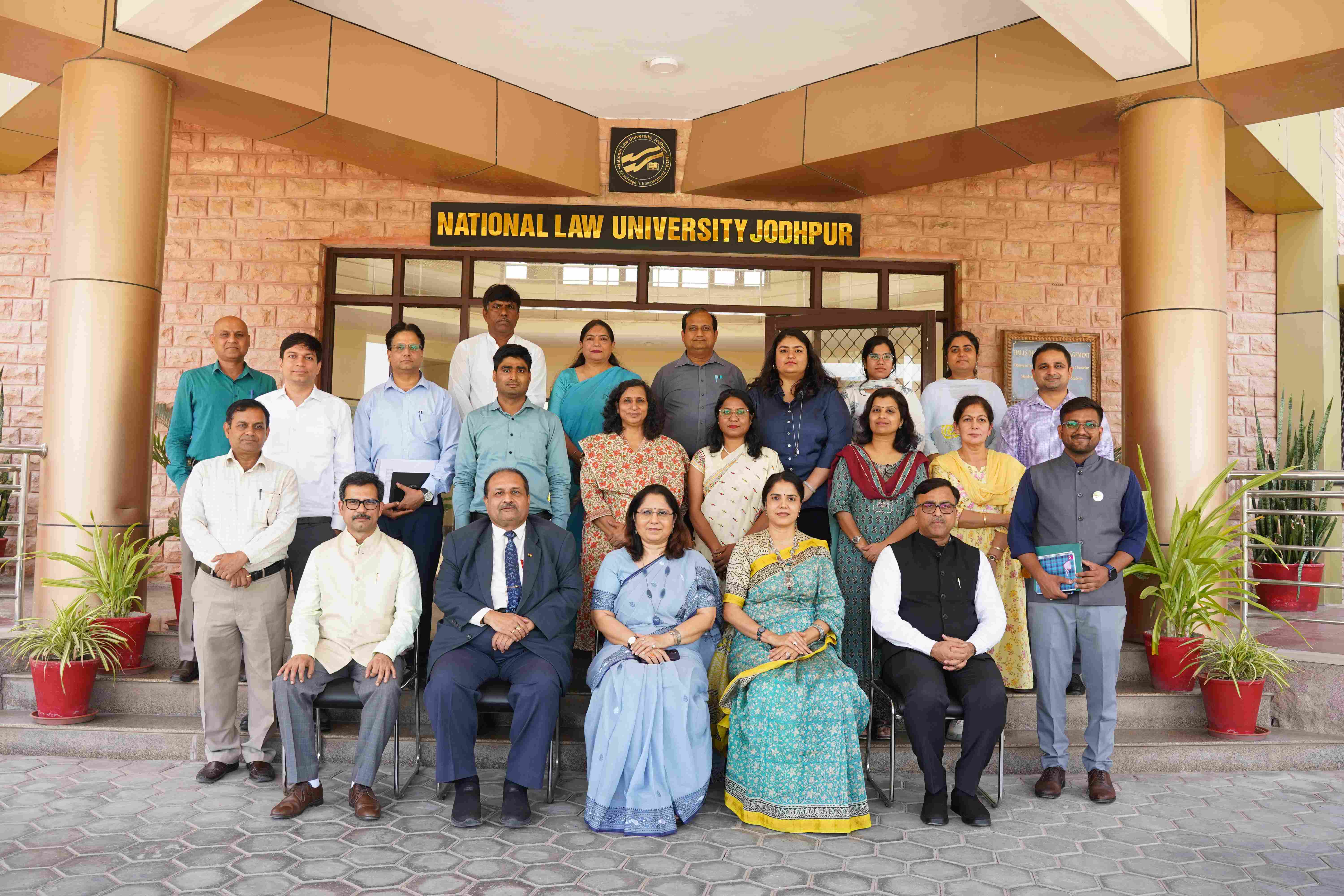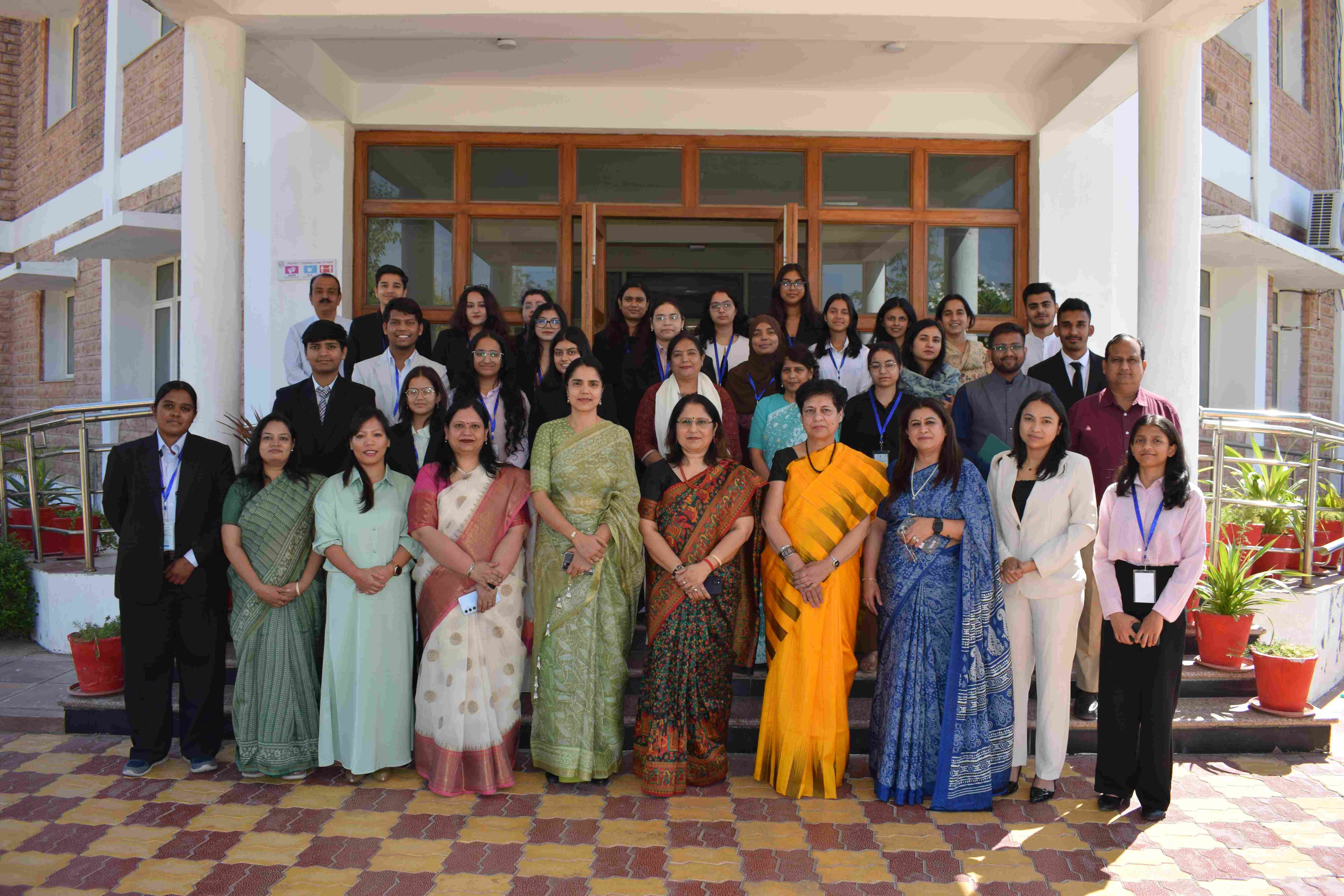
Jodhpur, 24 October 2026: National Law University, Jodhpur (NLUJ), inaugurated a two-day National Seminar on “Next-Generation GST Reforms: Law, Governance and India’s Development Pathways” on 24 October 2026. The seminar is being organised in collaboration with the Indian Council of Social Science Research (ICSSR) by the Centre for Economics, Law and Public Policy and the Centre for Tax Laws, National Law University, Jodhpur. The seminar will continue until 25 October 2026.
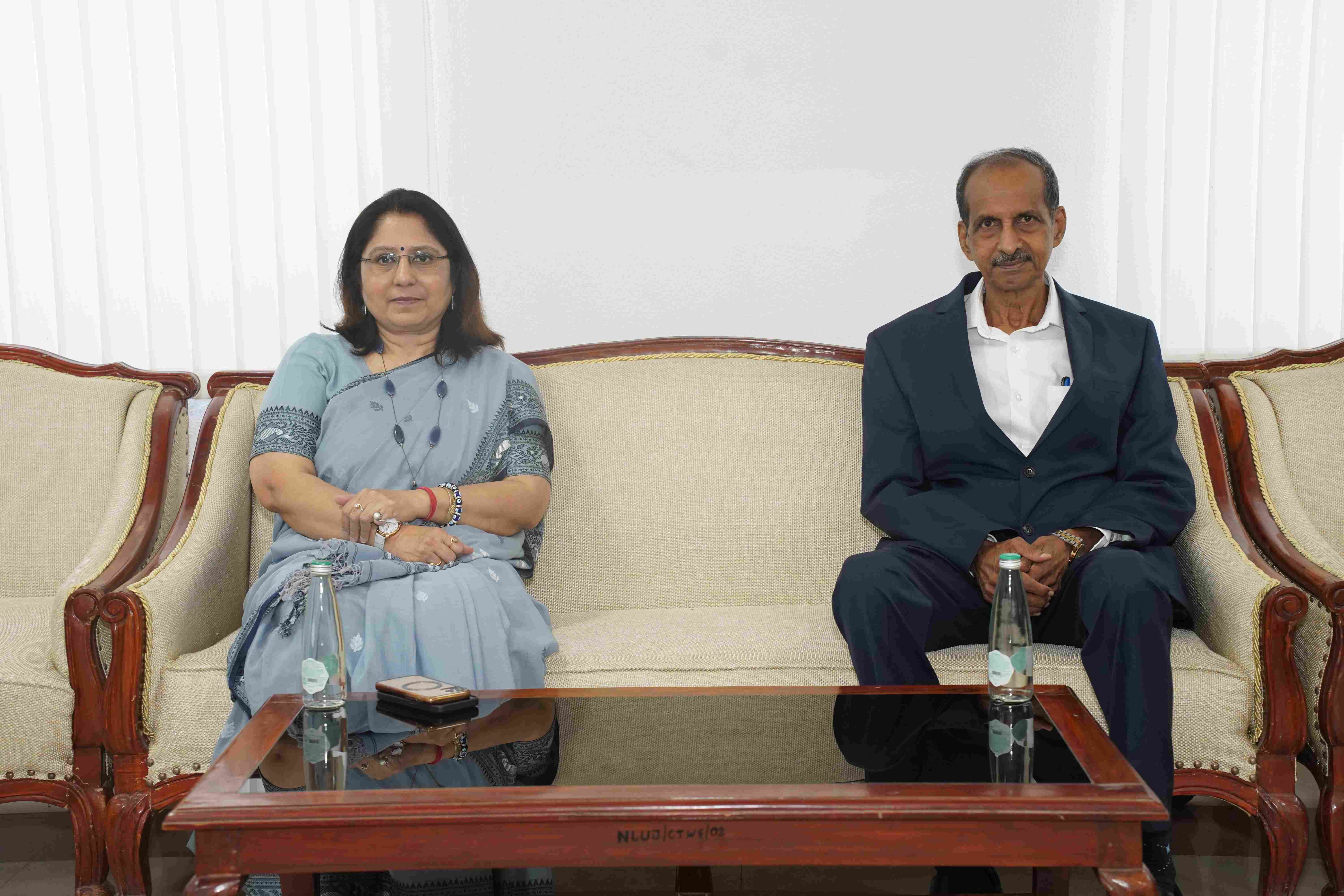
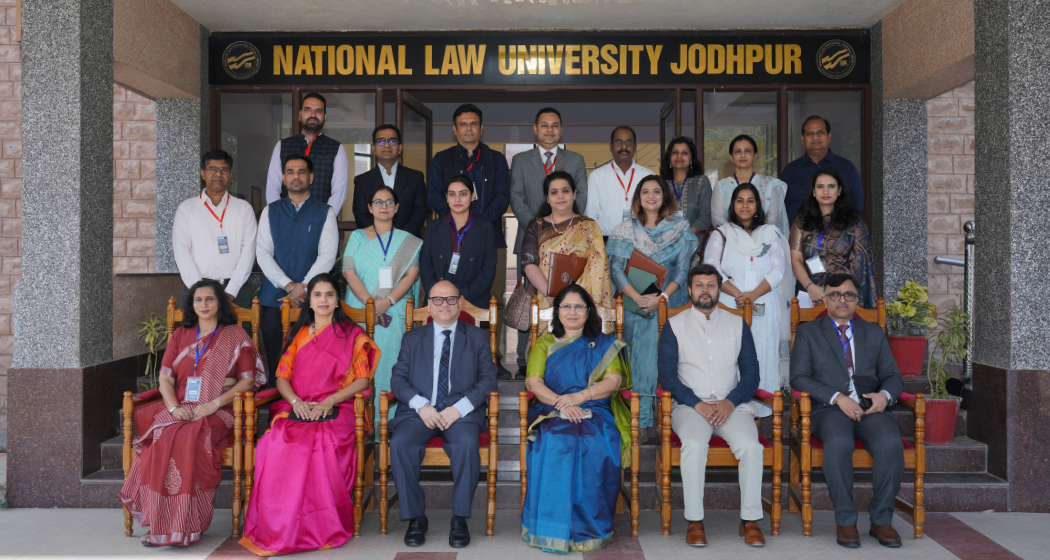
The inaugural ceremony was graced by Mr. Pankaj Ghiya, Advocate, Ghiya Legal, Jaipur, who delivered the keynote address, and Mr. Utkarsha, Joint GST Commissioner, Jodhpur, who addressed the gathering as the special invitee. The programme was organised under the guidance of Prof. (Dr.) Harpreet Kaur, Hon’ble Vice Chancellor, National Law University, Jodhpur, and Dr. Sunita Pankaj, Registrar, NLUJ.
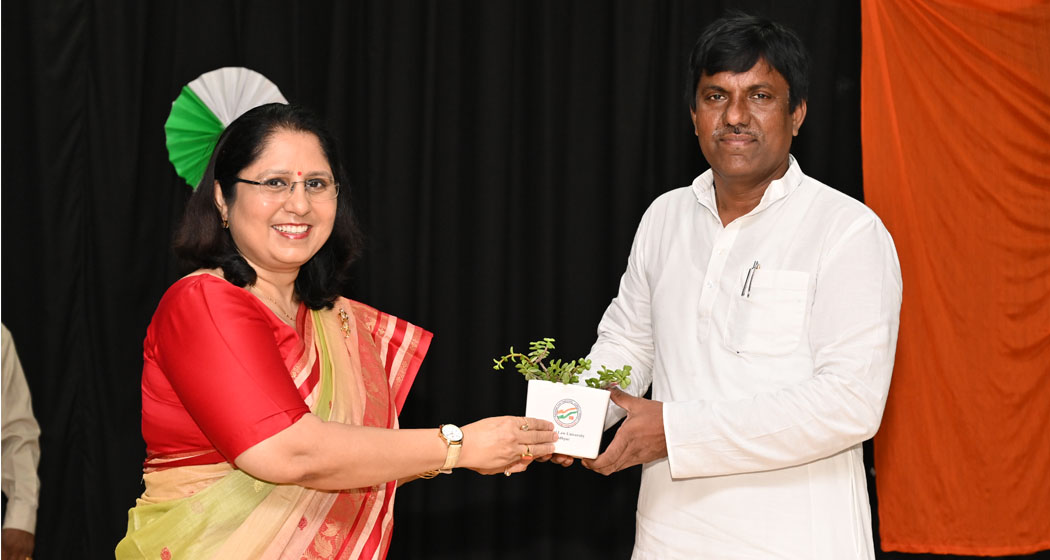
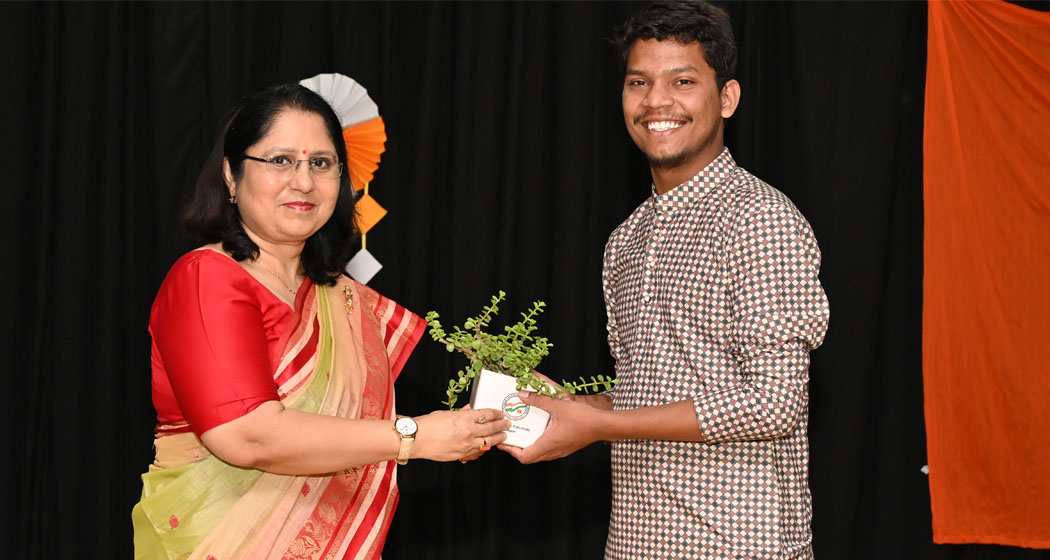
The ceremony commenced with the traditional lighting of the lamp, followed by the welcome address by Dr. Manoj Kumar Singh, Seminar Convenor, who welcomed the distinguished guests, academicians, legal professionals, researchers and participants. In her inaugural address, Prof. (Dr.) Harpreet Kaur, Hon’ble Vice Chancellor, formally inaugurated the seminar and highlighted the significance of academic engagement with contemporary developments in taxation, law and governance.
In her inaugural address, Prof. (Dr.) Harpreet Kaur, Hon’ble Vice Chancellor, highlighted the significant reforms brought about by GST in India’s taxation system. She emphasised its role in simplifying and modernising the tax regime, accelerating market reforms, and strengthening the Ease of Doing Business in the country.
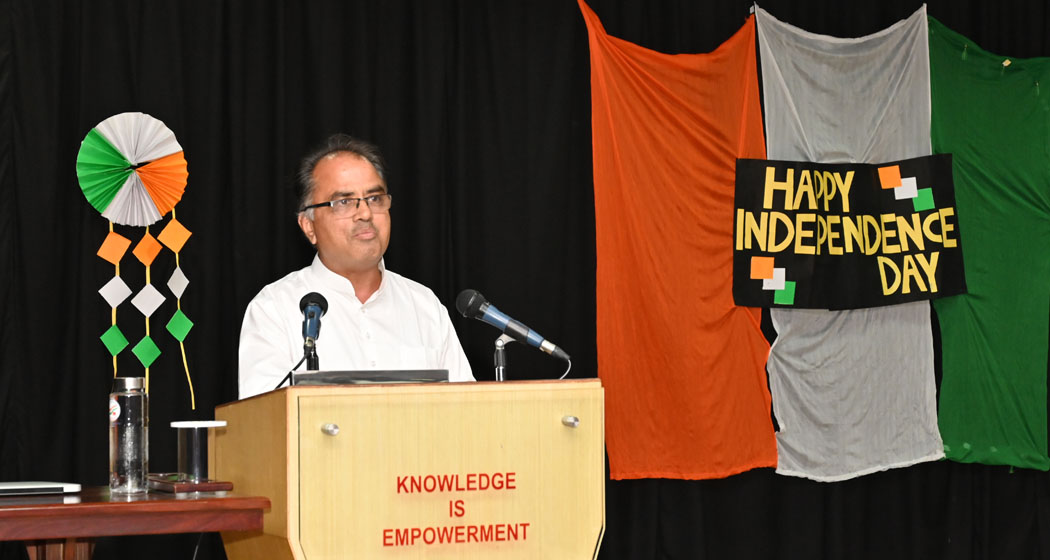
Mr. Pankaj Ghiya, Advocate, Ghiya Legal, Jaipur, the keynote speaker, described GST as a significant transformation for the Indian economy. He observed that the implementation of GST had encouraged the transition of businesses from the unorganised to the organised sector. He also highlighted the contribution of GST in bringing greater structure and uniformity to economic and commercial activities.
Mr. Utkarsha, Joint GST Commissioner, Jodhpur, the special invitee, shared insights into various aspects of GST administration from the perspective of a GST administrator, drawing attention to its practical functioning and implementation. He encouraged the younger generation of researchers, students, and young professionals to come forward with innovative ideas for GST reforms and contribute towards making the taxation system more effective and responsive to emerging needs.
The inaugural session concluded with a vote of thanks by Dr. Chitra Saruparia, Seminar Co-convenor. The successful organisation of the entire programme has been made possible through the valuable contributions and cooperation of all members of the Organising Committee.
The seminar aims to facilitate interdisciplinary academic engagement with the evolving legal, constitutional, economic and technological dimensions of the Goods and Services Tax (GST). It provides a platform for academicians, legal practitioners, tax professionals, researchers and scholars to examine the implications of GST reforms for governance, fiscal policy, compliance, economic development and India’s growth trajectory.
The two-day academic programme comprises three plenary sessions, three technical sessions, and a roundtable discussion followed by the valedictory session. The first day features plenary deliberations on “Legal and Constitutional Architecture of GST” and “Technology-Driven Tax Governance in the Age of AI”. These sessions are complemented by technical presentations examining the legal, judicial and constitutional dimensions of GST 2.0, alongside the role of technology, transparency, accountability and due process in digital tax governance.
The second day will feature the third plenary session, titled “GST 2.0 and India’s Growth Strategy — From Compliance to Competitiveness”, followed by the third technical session on “Economic Transformation under GST 2.0”. The seminar will conclude with a roundtable discussion on “The Next Decade of GST: Reform Priorities for India’s Development”, followed by the valedictory session and the distribution of Best Paper Awards.
Through this academic initiative, National Law University, Jodhpur seeks to encourage informed dialogue and interdisciplinary research on the evolving GST framework and its implications for India’s legal, economic and governance landscape.