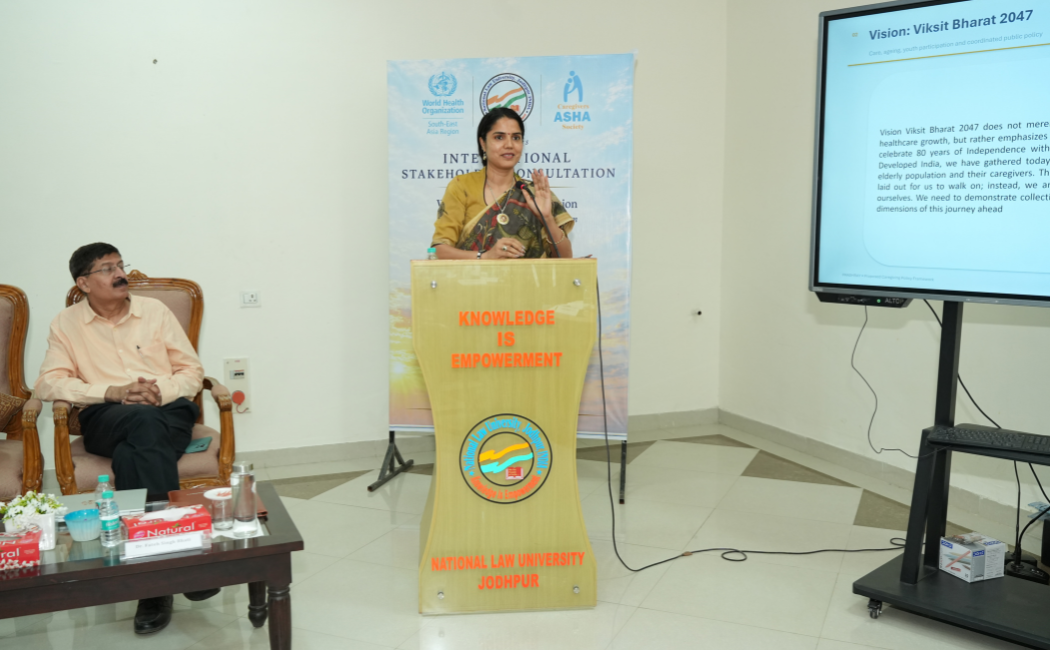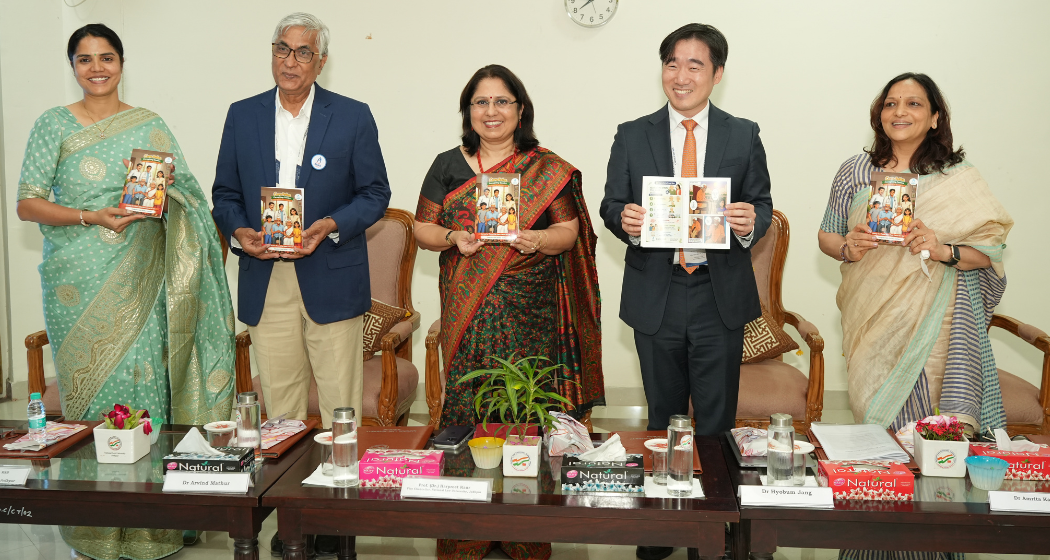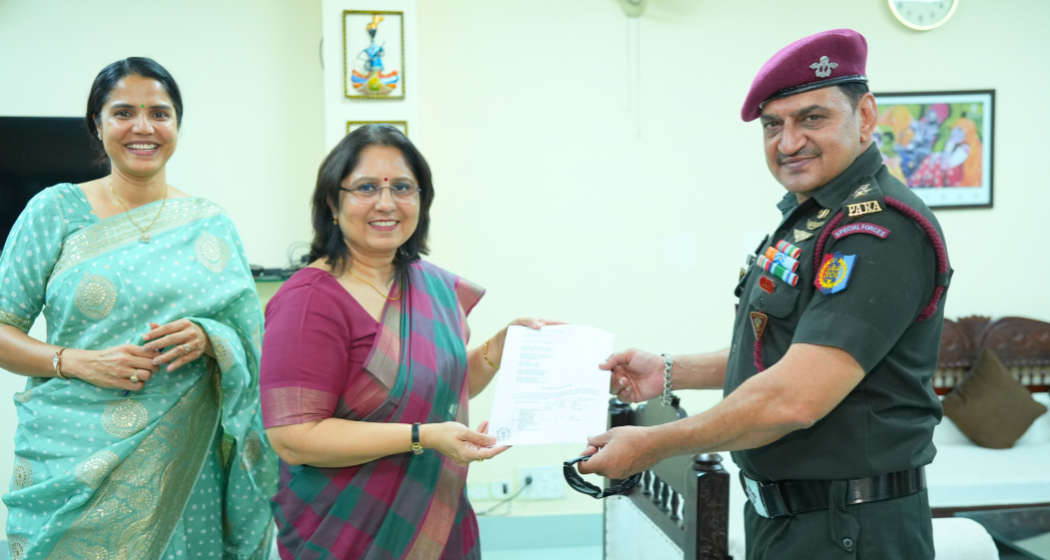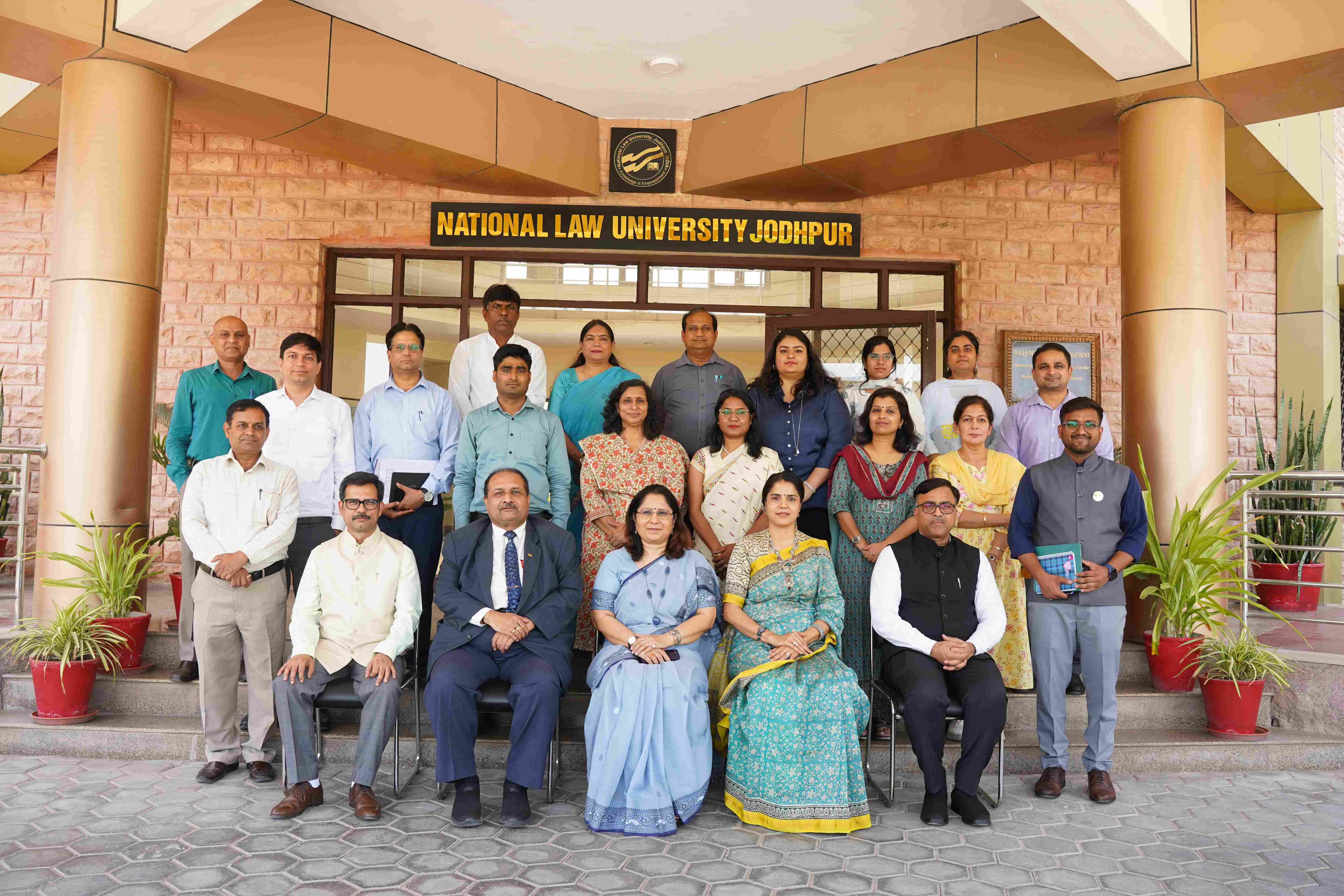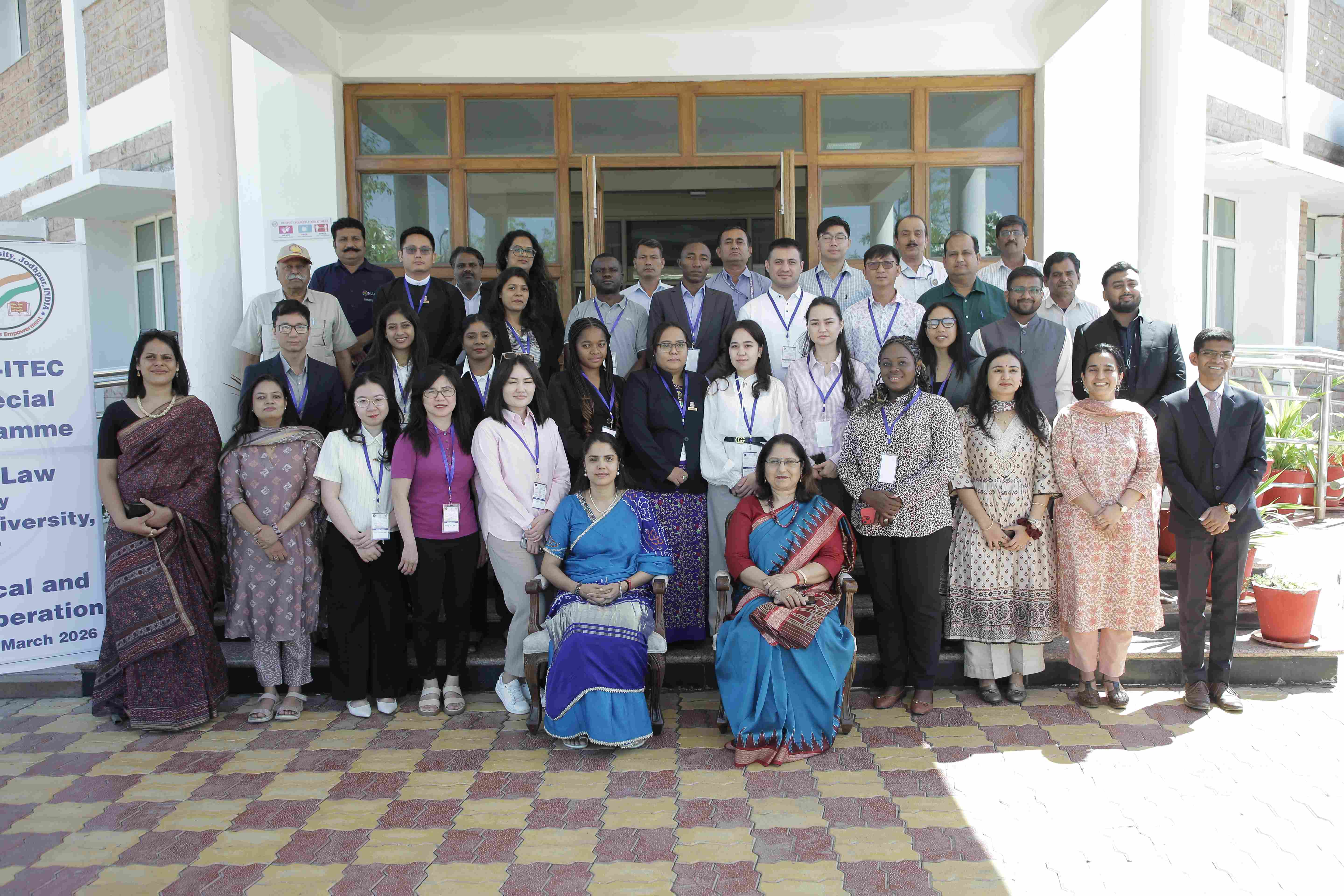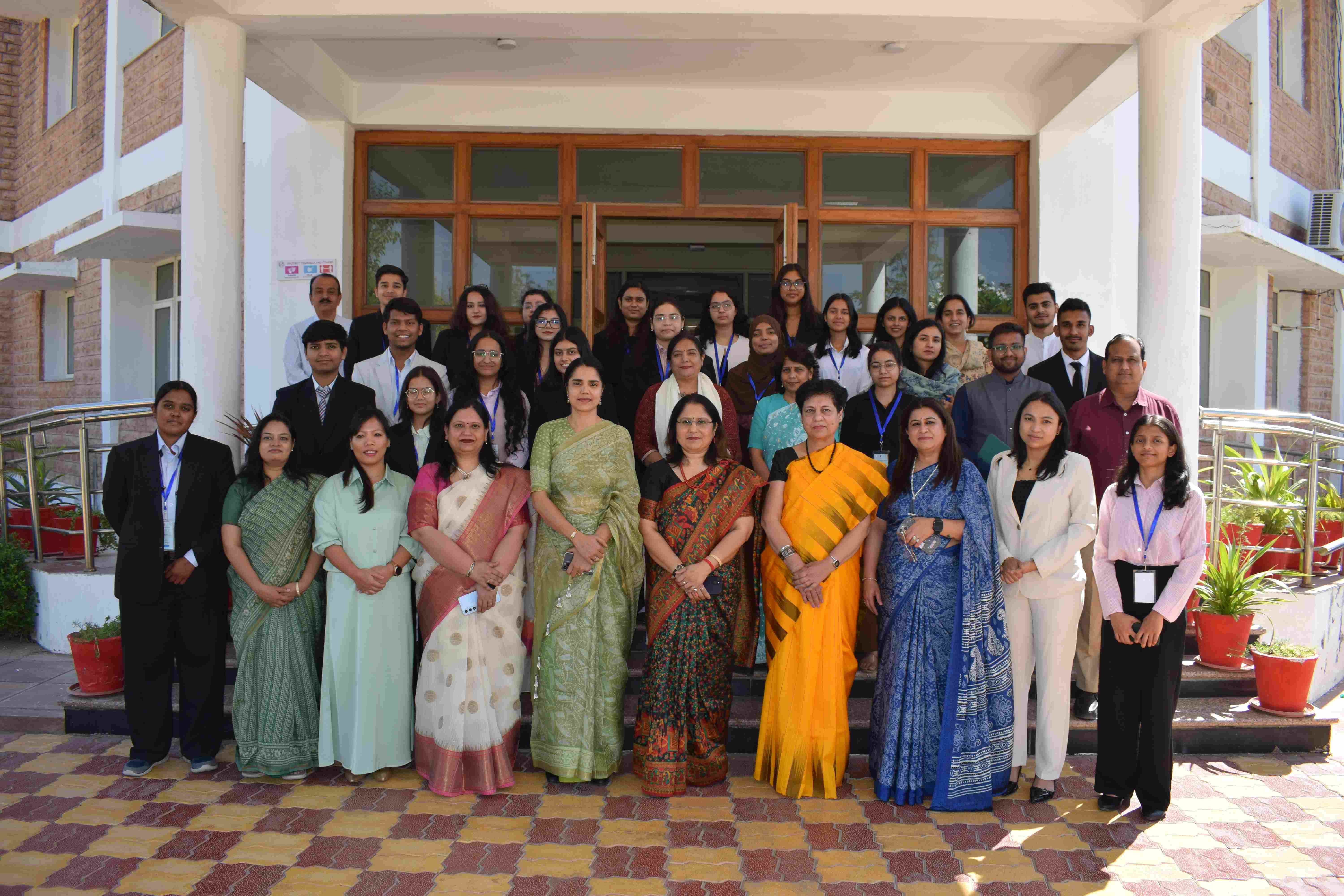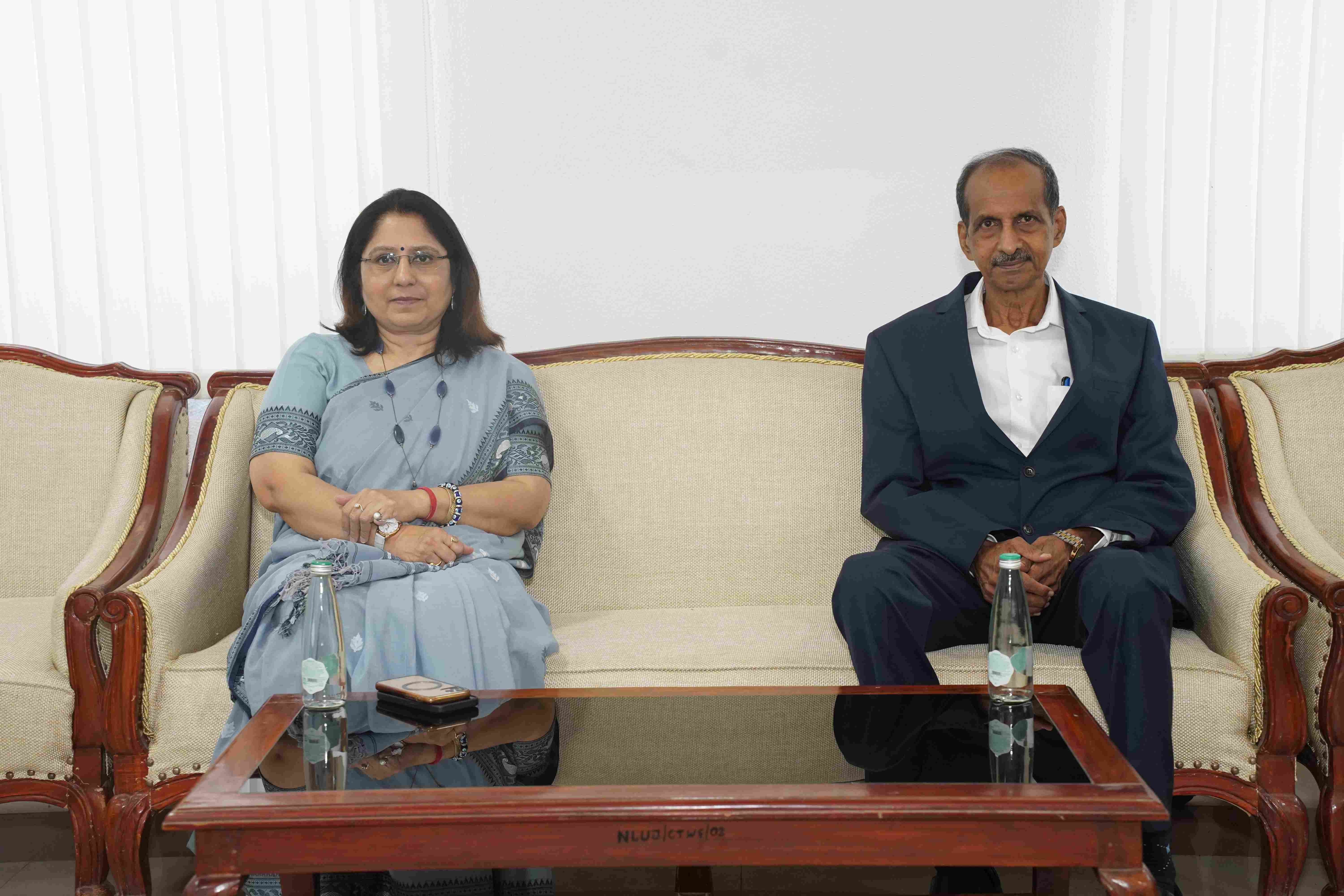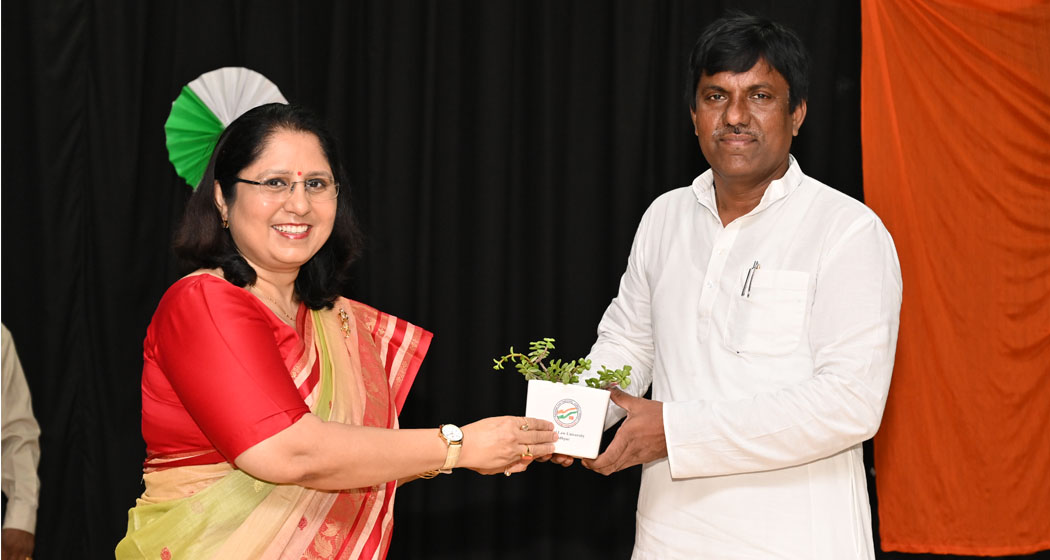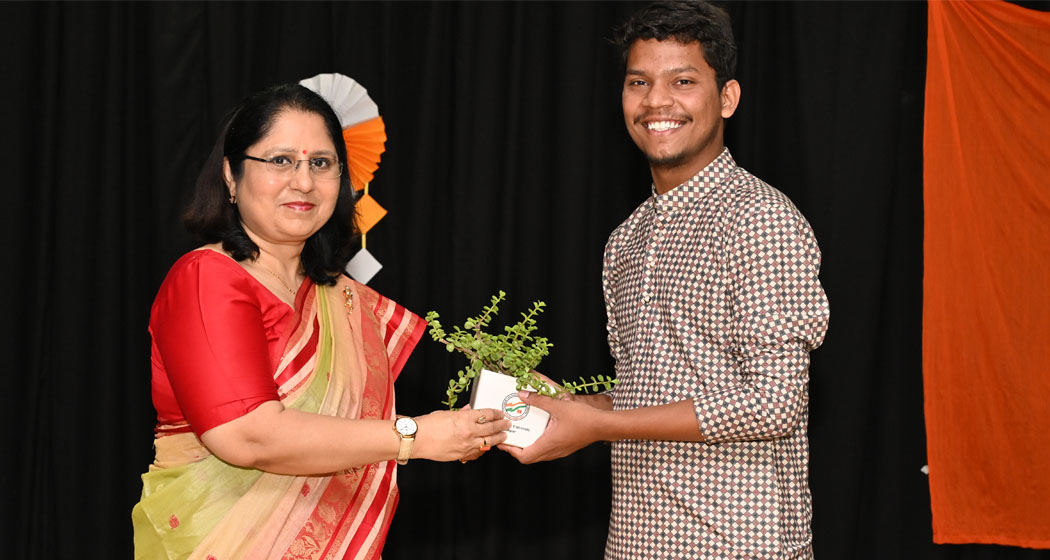
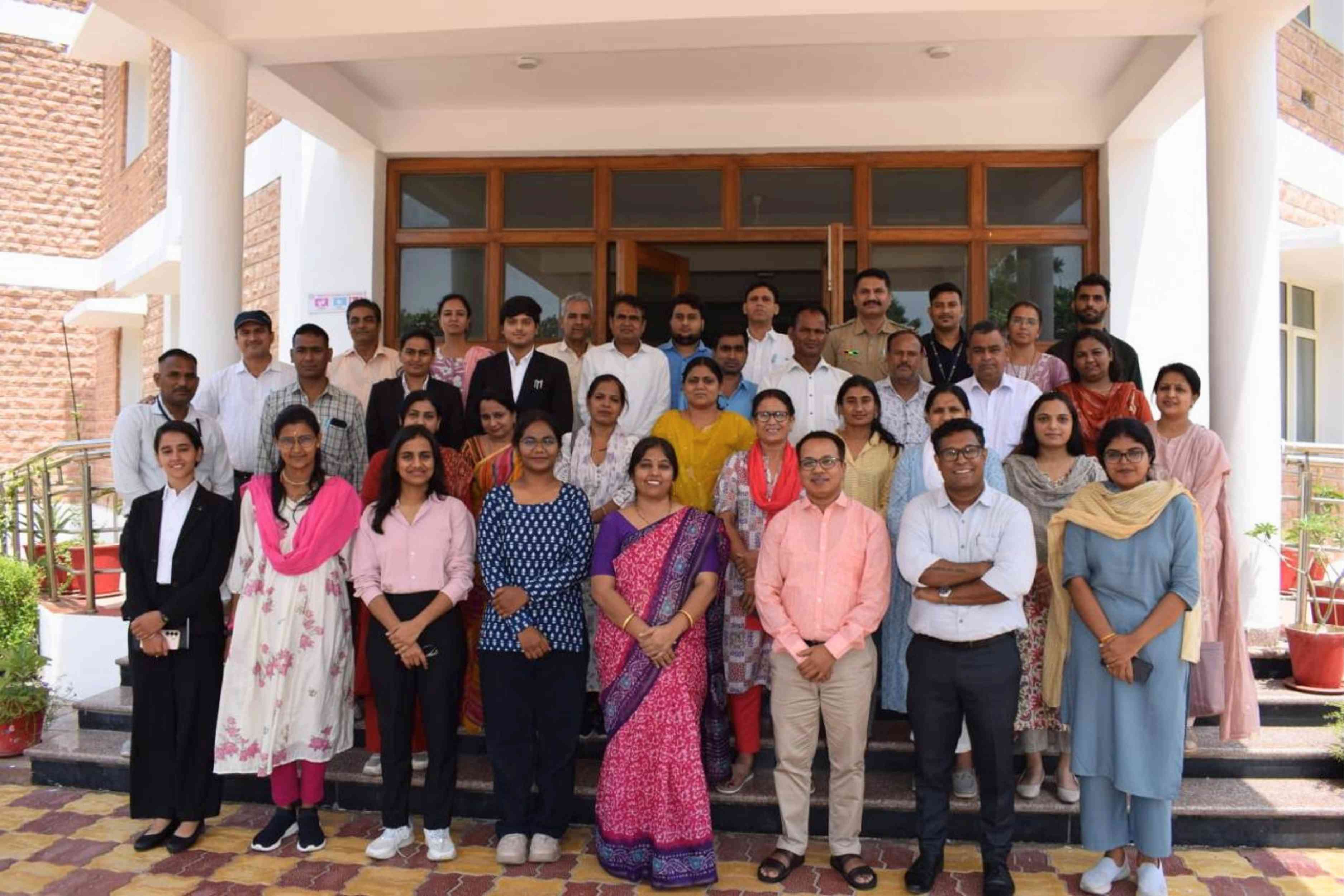
Day 1 began with the formal inauguration of the capacity-building workshop, marking the commencement of a focused two-day engagement aimed at strengthening the capacities of child protection functionaries. Following the inaugural proceedings, the technical sessions opened with a comprehensive presentation on “Institutional Coordination in the Child Protection Ecosystem” delivered by Shri Ashutosh Srivastava, State Consultant, Child Protection.
In this session, Shri Srivastava underscored the critical importance of seamless inter-institutional coordination among the various stakeholders operating within the juvenile justice and child protection framework. He elaborated on the distinct yet complementary roles of the Child Welfare Committee (CWC), Juvenile Justice Board (JJB), District Child Protection Unit (DCPU), institutional care facilities, and civil society organizations. Drawing upon practical field experiences and statutory mandates under the Juvenile Justice (Care and Protection of Children) Act, 2015 and Mission Vatsalya, he highlighted the mechanisms for effective information sharing, case referrals, joint monitoring, and collaborative decision-making.
Particular emphasis was placed on overcoming systemic bottlenecks that often impede coordinated responses—such as delayed communication between agencies, overlapping responsibilities, and gaps in follow-up of Individual Care Plans. Through interactive discussion, participants were encouraged to reflect on existing coordination practices in their respective districts and to identify actionable strategies for strengthening multi-stakeholder collaboration.
The session thereby laid a strong conceptual and practical foundation for the subsequent technical deliberations of the workshop, reinforcing the principle that the best interests of the child can be meaningfully advanced only through a well-coordinated and child-centred protection ecosystem.
Dr. Renjith Thomas, Assistant Professor, National Law University, Jodhpur, then delivered an insightful session on the General Principles of Care and Protection of Children under Section 3 of the Juvenile Justice (Care and Protection of Children) Act, 2015.
Drawing upon the foundational philosophy of the legislation, Dr. Thomas carefully unpacked each of the guiding principles enshrined in Section 3—including the principle of best interest of the child, the principle of dignity and worth, the principle of family responsibility, the principle of safety, the principle of positive measures, the principle of non-stigmatizing semantics, the principle of non-waiver of rights, the principle of equality and non-discrimination, the principle of right to privacy and confidentiality, the principle of institutionalization as a measure of last resort, and the principle of repatriation and restoration.
Through a judicious blend of short videos, structured presentations, and interactive discussion, he illustrated how these principles are not merely aspirational statements but binding statutory directives that must inform every decision, procedure, and intervention concerning children in conflict with law as well as children in need of care and protection. Real-life scenarios and reflective questions were used to enable participants to internalize the practical application of these principles in the day-to-day functioning of CWCs, JJBs, institutional facilities, and non-institutional care arrangements.
The session successfully reinforced the understanding that the Juvenile Justice Act is fundamentally a rights-based and child-centric legislation, and that adherence to the general principles under Section 3 is indispensable for ensuring sensitive, non-adversarial, and restorative approaches to child protection.
Following the interactive session by Dr. Renjith Thomas, carefully curated short videos were screened to reinforce and deepen the participants’ understanding of the General Principles of Care and Protection of Children under Section 3 of the Juvenile Justice (Care and Protection of Children) Act, 2015.
These visual resources brought the statutory principles to life by depicting real-life situations, institutional practices, and child-centred approaches in both institutional and non-institutional settings. The videos illustrated, in a lucid and accessible manner, how principles such as the best interest of the child, dignity and worth, institutionalization as a measure of last resort, and non-stigmatizing semantics translate into everyday decision-making by Child Welfare Committees, Juvenile Justice Boards, and other child protection functionaries.
This pedagogical sequence—expert exposition followed by visual reinforcement—proved particularly effective in consolidating learning and ensuring that the foundational principles of the JJ Act were not only understood in theory but also internalized for application in the participants’ respective roles.
The Day 1 of the capacity-building workshop ended with a focused technical session on the functioning of the Juvenile Justice Boards (JJBs) and Child Welfare Committees (CWCs), led by Advocate Rajendra Soni of the Rajasthan High Court, Jodhpur.
He carefully delineated the unique character of these specialized institutions, emphasizing that they are not ordinary courts of criminal jurisdiction but quasi-judicial bodies designed to operate within a child-friendly, non-adversarial, and restorative framework. With respect to the Juvenile Justice Board, Advocate Soni explained in detail the composition of the Board, the nature of the preliminary assessment in cases involving heinous offences alleged against children above the age of sixteen, the inquiry process under Section 14, the principles governing the determination of age, and the range of dispositional orders available under Section 18.
Turning to the Child Welfare Committee, he elaborated upon its constitution, the mandatory presence of a woman member, its exclusive jurisdiction over children in need of care and protection, the production of the child before the Committee within twenty-four hours, the conduct of inquiry under Section 36, and the wide array of orders it may pass under Section 37—ranging from restoration to parents or guardians, placement in a children’s home or fit facility, sponsorship, foster care, and adoption, to the preparation and monitoring of Individual Care Plans.
Special emphasis was placed on the critical procedural safeguards that distinguish these bodies from ordinary criminal courts: the prohibition of joint proceedings with adults, the in-camera nature of proceedings, the right of the child to be heard, the mandatory presence of a legal aid counsel or support person, the bar on the use of adversarial language, the principle of institutionalization only as a measure of last resort, and the overarching obligation to act in the best interest of the child at every stage.
Through this comprehensive exposition, Advocate Soni equipped participants with a clear understanding of both the legal architecture and the child-centric ethos that must guide the day-to-day functioning of JJBs and CWCs.
DAY 2 OF THE CAPACITY BUILDING WORKSHOP
Day 2 of the Capacity Building Workshop commenced with a series of carefully structured case studies and in-depth discussions focusing on the role of different stakeholders in strengthening the child protection ecosystem.
Through this interactive segment, participants examined real-life and hypothetical scenarios involving children in conflict with law and children in need of care and protection. The case studies were designed to highlight the distinct yet interdependent responsibilities of key functionaries and institutions—including the Child Welfare Committee, Juvenile Justice Board, District Child Protection Unit, Special Juvenile Police Unit, institutional care providers, legal aid counsel, social workers, and civil society organizations.
By engaging with these case studies in a participatory manner, functionaries were able to move beyond theoretical understanding and develop a practical appreciation of how collaborative action among stakeholders is essential for building a coherent, responsive, and child-centred protection system. The session thereby set a strong foundation for the subsequent technical deliberations of the day.
Following the case study discussions, a significant technical session was conducted by Shri Rakesh Choudhary on the Role of the High Court in the Juvenile Justice System.
Drawing upon the constitutional and statutory framework, Shri Choudhary elaborated on the supervisory and protective jurisdiction exercised by the High Court over the functioning of Juvenile Justice Boards, Child Welfare Committees, and other institutions established under the Juvenile Justice (Care and Protection of Children) Act, 2015. He explained how the High Court, through its powers under Articles 226 and 227 of the Constitution of India, as well as under the specific provisions of the JJ Act, plays a pivotal role in ensuring that the specialized juvenile justice machinery functions in accordance with the letter and spirit of the law.
Particular attention was paid to the High Court’s oversight in matters concerning the constitution and proper functioning of JJBs and CWCs, the monitoring of institutional care facilities, the protection of the rights of children in conflict with law and children in need of care and protection, and the issuance of directions to remedy systemic deficiencies. Shri Choudhary also discussed landmark judicial interventions and guidelines issued by various High Courts that have strengthened procedural safeguards, reinforced the principle of institutionalization as a measure of last resort, and advanced a rights-based approach to juvenile justice.
Through a combination of doctrinal exposition and practical illustrations, the session enabled participants to appreciate the critical role of the higher judiciary in upholding the child-centric ethos of the JJ Act and in ensuring accountability, consistency, and sensitivity across the child protection ecosystem. The discussion reinforced the understanding that effective implementation of the juvenile justice framework ultimately depends not only on the diligent functioning of frontline institutions but also on the continuous supervisory engagement of the High Court.
This was followed by an insightful and experience-based session on the Experiences and Challenges Faced by the Child Welfare Committee, delivered by Shri Vikram Chetan Sargara, Chairperson, Child Welfare Board, Jodhpur.
Drawing upon his extensive practical experience at the helm of the CWC, Shri Sargara provided participants with a candid and comprehensive account of the day-to-day functioning of the Committee and the multifaceted challenges encountered in the discharge of its statutory mandate under the Juvenile Justice (Care and Protection of Children) Act, 2015. He elaborated on the complex nature of cases routinely brought before the CWC—ranging from abandoned, orphaned, and surrendered children to those subjected to abuse, trafficking, child labor, and other forms of exploitation—and the delicate balancing exercise required in determining appropriate care, protection, and rehabilitation measures.
Particular emphasis was placed on the practical difficulties faced by the Committee, including delayed or incomplete production of children, inadequate social investigation reports, limited availability of suitable institutional and non-institutional care options, challenges in family tracing and restoration, resource and infrastructure constraints in children’s homes, and the need for better inter-agency coordination with the police, District Child Protection Unit, and other stakeholders. Shri Sargara also highlighted the emotional and professional demands placed on CWC members while dealing with sensitive cases involving trauma, and the critical importance of adhering to the principles of best interest of the child, dignity, and non-institutionalization as far as possible.
Through real-life illustrations and reflective discussion, the session offered participants a grounded understanding of the operational realities of the CWC and underscored the need for continuous capacity building, systemic support, and collaborative action to enable the Committee to fulfil its child-centric mandate more effectively.
This was followed by a detailed technical session on Institutional Care and the Functions of the Child Welfare Committee, conducted by Shri Anil Marwan, Member, Child Welfare Committee.
Drawing upon his practical experience as a Member of the CWC, Shri Marwan provided a comprehensive exposition of the various forms of institutional care envisaged under the Juvenile Justice (Care and Protection of Children) Act, 2015, and the critical role of the Child Welfare Committee in overseeing and regulating such placements. He systematically explained the distinct nature, purpose, and operational framework of Children’s Homes, Open Shelters, Observation Homes, Special Homes, Places of Safety, Specialized Adoption Agencies (SAA), Fit Facilities, and Homes for Children with Special Needs. Particular attention was paid to the statutory standards of care, the preparation and monitoring of Individual Care Plans, the importance of non-institutional alternatives wherever possible, and the principle that institutionalization must remain a measure of last resort.
Shri Marwan further elaborated on the specific functions and powers of the CWC in relation to institutional care, including the authority to order placement of a child in need of care and protection, to periodically review the progress of children residing in institutions, to ensure compliance with minimum standards of care, and to take corrective measures in cases of neglect or violation of rights within institutional settings.
Through a combination of statutory analysis and field-based insights, the session equipped participants with a clear understanding of both the legal architecture of institutional care and the practical responsibilities of the CWC in ensuring that such care, when unavoidable, remains child-centred, rights-based, and oriented towards eventual restoration or rehabilitation. The deliberations reinforced the understanding that effective institutional care is not merely about physical placement, but about creating an environment that upholds the dignity, protection, and developmental needs of every child.
This was followed by an insightful session on the Approach towards Children in Conflict with Law, delivered by Dr. Sanjay Nirala, UNICEF Rajasthan.
Drawing upon the rights-based framework of the Juvenile Justice (Care and Protection of Children) Act, 2015, and international standards on juvenile justice, Dr. Nirala provided a nuanced exposition of the philosophical, legal, and practical approach that must guide all interventions concerning children alleged to be in conflict with law. He emphasized that such children are not to be treated as offenders in the conventional sense, but as individuals in need of care, protection, guidance, and reform, consistent with the principles of restorative justice, reformation, and rehabilitation.
Particular attention was paid to the foundational principles that must inform every stage of the process—apprehension, production before the Juvenile Justice Board, preliminary assessment, inquiry, and final disposition. Dr. Nirala underscored the critical importance of a child-friendly, non-adversarial, and non-stigmatizing approach, the prohibition of joint proceedings with adults, the mandatory provision of legal aid, the right of the child to be heard, and the obligation to explore community-based and non-institutional alternatives before resorting to placement in a Special Home or Place of Safety.
Through a combination of conceptual clarity, field insights, and interactive discussion, the session reinforced the understanding that the juvenile justice system is fundamentally reformative rather than retributive. Dr. Nirala’s exposition enabled participants to internalise the child-centric ethos of the JJ Act and to appreciate that an appropriate, empathetic, and rights-based approach towards children in conflict with law is indispensable for their successful reintegration into society and for the realization of the broader objectives of the child protection framework.
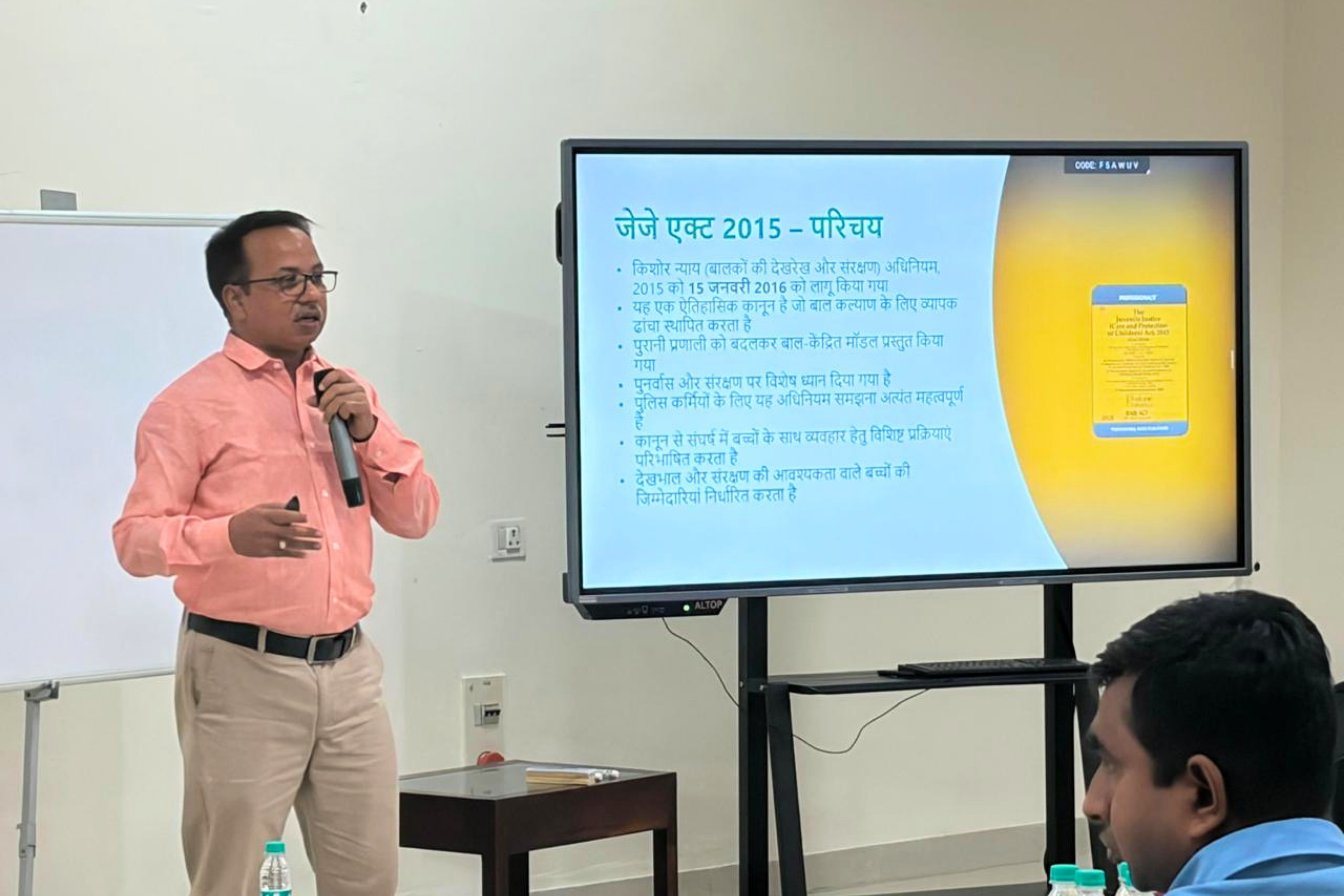
Fig. Approach towards children in conflict with law by Dr. Sanjay Nirala, Child Protection Specialist, UNICEF Rajasthan.
The workshop concluded with a focused technical session on Sections 5 and 6 of the Juvenile Justice (Care and Protection of Children) Act, 2015, conducted by Dr. Anjali Thanvi, Assistant Professor, National Law University, Jodhpur.
In this session, Dr. Thanvi provided a clear and detailed exposition of the statutory provisions governing the placement of children alleged to be in conflict with law. She explained the mandate under Section 5 regarding the placement of a child in an Observation Home during the pendency of inquiry, and the corresponding provision under Section 6 concerning the placement of a child in a Special Home or Place of Safety upon a finding that the child has committed an offence. Particular emphasis was placed on the conditions, duration, and procedural safeguards attached to such placements, the distinction between Observation Homes, Special Homes, and Places of Safety, and the overarching principle that institutionalization must remain a measure of last resort.
Dr. Thanvi further elaborated on the critical role of the Juvenile Justice Board in ensuring that any order of placement is guided by the best interest of the child, the Individual Care Plan, and the reformative objectives of the Act. Through structured explanation and interactive discussion, participants were enabled to appreciate both the legal architecture of these provisions and their practical implications for the protection, care, and rehabilitation of children in conflict with law.
The session effectively reinforced the understanding that Sections 5 and 6 are not merely procedural mechanisms, but integral components of a child-centric justice system designed to prioritize reform and reintegration over retribution.
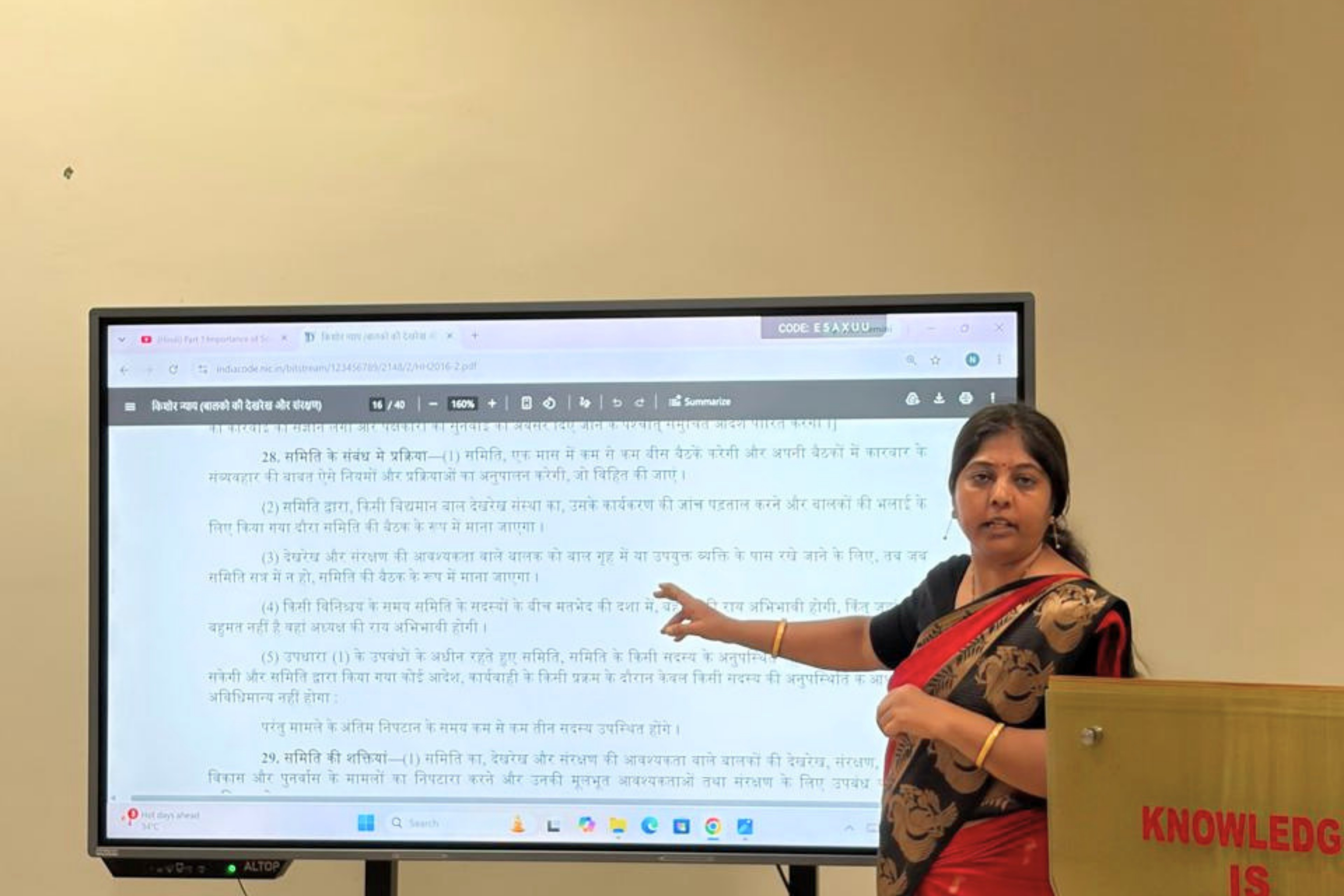
Session on Section 5 and 6 of the Juvenile Justice Act by Dr. Anjali Thanvi, Assistant Professor, NLU-J.
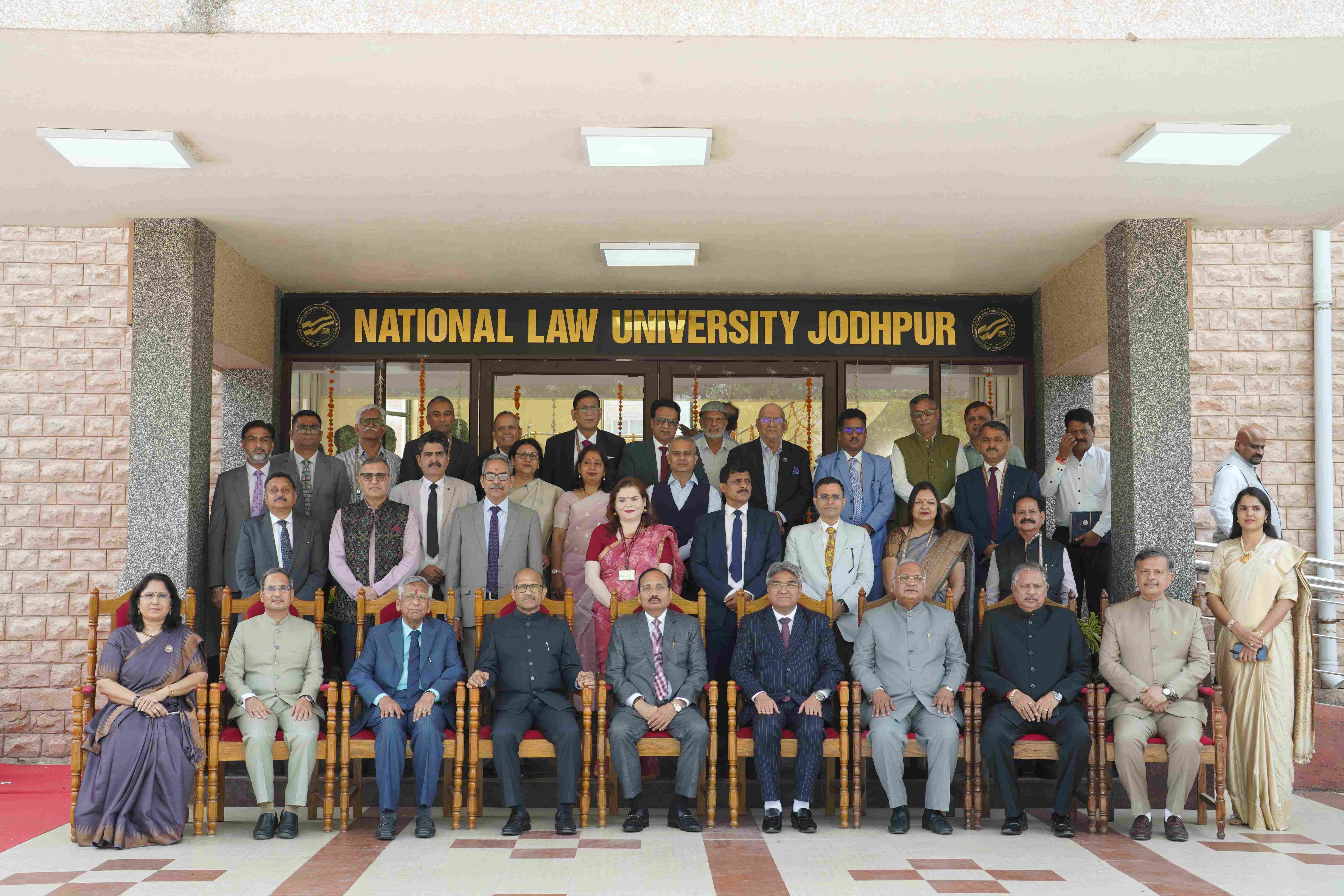
The workshop brought together approximately forty child protection functionaries and key stakeholders for an intensive two-day engagement dedicated to strengthening capacities within the child protection ecosystem. The participants comprised members and functionaries associated with Child Welfare Committees, Juvenile Justice Boards, District Child Protection Units, institutional care facilities, and other allied agencies working under the Juvenile Justice (Care and Protection of Children) Act, 2015 and Mission Vatsalya.
Sessions throughout the workshop were deliberately structured in an interactive and participatory manner. Resource persons employed a diverse range of pedagogical methods—including structured presentations, carefully curated short videos, focused case studies, group work exercises, and open discussions—to move beyond one-way dissemination of information and to foster active learning, critical reflection, and peer exchange. This multi-modal approach enabled participants not only to absorb statutory concepts and procedural nuances but also to relate them to the practical challenges encountered in their day-to-day functioning.
Participants engaged consistently and enthusiastically across both days of the workshop. Their sustained involvement was evident in the quality of discussions, the depth of questions raised, and the thoughtful analysis of case studies and field scenarios. The collective interest demonstrated a clear recognition of the importance of a robust understanding of the statutory framework, institutional mechanisms, inter-agency coordination, and practical tools essential for building a responsive, rights-based, and effective child protection ecosystem.
The high level of engagement reaffirmed the value of such capacity-building initiatives in creating a shared platform for learning, reflection, and professional strengthening among child protection functionaries.
Through this sustained and structured engagement, the Legal Aid and Awareness Committee (LAAC), in partnership with UNICEF Rajasthan, sought to meaningfully address existing knowledge and skill gaps among child protection functionaries and to reinforce a rights-based, child-centred approach to care and protection. The workshop was conceived not merely as an informational exercise, but as a deliberate intervention aimed at deepening conceptual clarity, strengthening practical competencies, and fostering a shared commitment to the core principles of the Juvenile Justice (Care and Protection of Children) Act, 2015.
The combination of expert inputs drawn from a diverse range of resource persons—including advocates with specialized experience in juvenile justice, members of the academia, leadership of the Child Welfare Committee, representatives of the police, and state-level consultants—enriched the learning process with both doctrinal depth and field-level insight. These expert contributions were complemented by practical exercises focused on statutory forms, care pathways, institutional and non-institutional mechanisms, and inter-agency coordination. Together, these elements contributed to a stronger foundational understanding of the JJ Act, 2015 and the operational framework of Mission Vatsalya, enabling participants to connect legal provisions with the everyday realities of child protection work.
Overall, the workshop contributed to building a more informed, reflective, and coordinated cadre of child protection functionaries, better equipped to uphold the best interests of the child and to advance the objectives of a sensitive, non-adversarial, and restorative juvenile justice system.
The two-day Capacity Building Workshop on Child Protection Functionaries stood as a successful demonstration of the Legal Aid and Awareness Committee’s (LAAC) enduring commitment to strengthening the child protection ecosystem through meaningful and sustained collaboration with UNICEF Rajasthan under Project CARE. By bringing together functionaries, practitioners, and experts on a common platform, the workshop translated the shared vision of a rights-based and child-centred juvenile justice system into a concrete capacity-building intervention.
The breadth and depth of topics covered—ranging from the foundational principles of care and protection under the Juvenile Justice (Care and Protection of Children) Act, 2015, to institutional and non-institutional care arrangements, the functioning of Child Welfare Committees and Juvenile Justice Boards, inter-agency coordination, the experiences and challenges of frontline institutions, and the practical use of statutory forms and care pathways—reaffirmed the critical value of focused, multi-stakeholder capacity-building initiatives. The interactive pedagogy, combining expert exposition with case studies, discussions, and assessments, enabled participants not only to deepen their conceptual understanding but also to reflect on the practical application of the law in their respective roles.
The workshop further underscored that effective implementation of the JJ Act and Mission Vatsalya depends on continuous professional strengthening, inter-institutional collaboration, and an unwavering commitment to the best interest of the child. In this spirit, the Legal Aid and Awareness Committee remains firmly committed to supporting and expanding such initiatives in the future under Project ‘CARE’, so as to enhance the effective implementation of the Juvenile Justice (Care and Protection of Children) Act, 2015, and to advance the protection, care, and holistic development of children across Rajasthan.